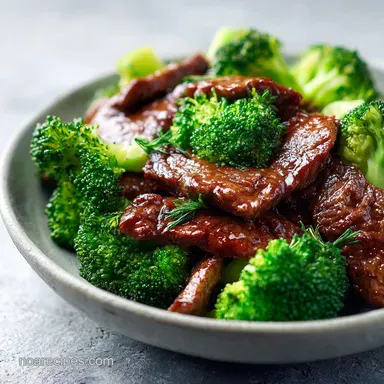
Beef and Broccoli: Better Than Takeout

- Time:10 minutes prep + 10 minutes cook = Total 20 minutes
- Flavor/Texture Hook: Velvety, tender beef in a glossy, savory glaze
- Perfect for: Fast family dinners or meal prep
Better Than Takeout Beef and Broccoli
Sizzle. That's the first thing you'll notice when the beef hits the white hot oil. There's this specific aroma, a mix of toasted sesame and salty soy, that immediately fills the kitchen and makes everyone run toward the stove. I remember the first time I tried making this at home years ago.
I skipped the marinade, used a pan that wasn't nearly hot enough, and ended up with grey, rubbery strips of meat and broccoli that was essentially mush. It was a disaster, and I almost gave up on the idea of homemade stir fry entirely.
But then I discovered the secret that the pros use, and everything changed. The difference between a dish that feels like a chore to chew and one that just melts in your mouth comes down to a tiny bit of chemistry and a lot of heat.
This version is all about those textures - the shatter crisp edges of the beef and the bright, snap fresh broccoli. It's the kind of meal that feels like a treat but comes together in the time it takes to scroll through a few videos on your phone.
We're aiming for a specific balance here. You want a sauce that's velvety and clings to every nook and cranny of the broccoli without pooling at the bottom of the plate. It's not just about the flavor, though that umami punch is huge, it's about the flow of the meal.
Right then, let's get into what actually makes this work and how you can nail it every single time.
The Soda Secret: A pinch of baking soda raises the pH level of the meat's surface, which prevents the proteins from bonding too tightly when they heat up. This keeps the beef tender even at extreme temperatures.
Over High heat Searing: By searing the beef undisturbed, we create a mahogany crust that locks in a rich, savory flavor. This prevents the meat from "steaming" in its own juices.
The Steam Fry Hybrid: Adding a splash of water and a lid for 60 seconds cooks the thick broccoli stems through without overcooking the delicate florets.
Starch Gelatinization: The cornstarch in the sauce doesn't just thicken it, it creates that glossy, mirror like finish you see in professional kitchens.
| Beef Thickness | Sear Time | Rest Time | Visual Cue |
|---|---|---|---|
| 1/8 inch (Thin) | 1-2 mins | 2 mins | Brown edges, pink center gone |
| 1/4 inch (Med) | 2-3 mins | 3 mins | Deep mahogany crust |
| 1/2 inch (Thick) | 3-4 mins | 5 mins | Firm to touch, charred exterior |
Quick Recipe Specs
When you're rushing through a Tuesday evening, you don't have time for a recipe that claims to be "fast" but has an hour of chopping. This is truly a 20 minute operation. I've timed it, and if you have your ingredients laid out, you can go from a raw flank steak to a plated meal in the time it takes to boil a pot of water.
The key to this speed is the prep flow. You don't want to be chopping ginger while your beef is already searing, or you'll end up with burnt garlic and raw meat. It's all about the sequence. We prep the marinade, slice the broccoli, and whisk the sauce before the flame even touches the pan.
It's a stress free way to handle a over high heat dish.
For those of you who are meal prepping for the week, this holds up surprisingly well. While stir fries are usually best fresh, the velveting technique prevents the beef from becoming tough when reheated.
Just be mindful of the broccoli - if you're planning to eat this on Thursday, undercook the broccoli by a minute or two on Monday.
The Best Ingredients
Choosing the right meat is where most people trip up. You want something with a bit of grain but enough tenderness that it doesn't feel like a workout for your jaw. Flank steak is the gold standard here because it takes the marinade beautifully, but sirloin is a great alternative if you prefer a slightly richer, fattier bite.
Honestly, don't even bother with "stew meat" for this; it's designed for hours of simmering, not 10 minutes of searing.
| Ingredient | Science Role | Pro Secret |
|---|---|---|
| Baking Soda | Protein Tenderizer | Use exactly 1 tsp to avoid a metallic taste |
| Cornstarch | Thickening Agent | Mix with cold liquid first to avoid clumps |
| Oyster Sauce | Umami Base | Adds a syrupy depth that soy alone lacks |
| Sesame Oil | Aromatic Finish | Add at the end to keep the nutty scent fresh |
Now, let's look at the full list. Make sure everything is measured out before you start. There is nothing worse than realizing you're out of cornstarch while the pan is smoking.
For the Meat & Marinade
- 1 lb flank steak or sirloin, thinly sliced against the grainWhy this? Flank is lean and absorbs flavors quickly
- 1 tsp baking sodaWhy this? Essential for that "velvety" takeout texture
- 1 tbsp soy sauceWhy this? Initial seasoning and color
- 1 tbsp cornstarchWhy this? Creates a protective barrier for the meat
- 1 tbsp vegetable oilWhy this? Prevents the slices from sticking together
For the Chinese Beef and Broccoli Sauce
- 1/2 cup beef brothWhy this? Provides a savory liquid base
- 3 tbsp oyster sauceWhy this? The key to that salty, sweet, funky depth
- 2 tbsp soy sauceWhy this? Adds salt and a deep brown color
- 1 tbsp brown sugarWhy this? Balances the salt and helps the glaze caramelize
- 1 tsp toasted sesame oilWhy this? Adds a nutty, aromatic finish
- 1 tsp cornstarchWhy this? Thickens the sauce into a glossy glaze
The Fresh Bits
- 1 lb broccoli florets, cut into bite-sized piecesWhy this? Small pieces cook evenly and hold sauce
- 2 tbsp neutral oilWhy this? High smoke point for searing
- 3 cloves garlic, mincedWhy this? Pungent aromatic base
- 1 tbsp fresh ginger, gratedWhy this? Adds a bright, spicy contrast
- 2 scallions, slicedWhy this? Fresh, oniony crunch for the finish
Essential Kitchen Gear
You don't need a professional kitchen to make this, but your pan choice matters. A wok is the dream because the sloped sides allow you to toss ingredients easily, and the heat concentrates at the bottom. If you don't have one, a wide stainless steel skillet or a cast iron pan (like Lodge) works perfectly.
Just avoid non stick if you can, as they often can't handle the high heat needed for that mahogany crust on the beef.
I also recommend a sharp chef's knife. Slicing the beef against the grain is the most important physical step in this entire process. If you cut with the grain, you're leaving the long muscle fibers intact, and no amount of baking soda will save you from a chewy dinner.
A sharp blade allows you to get those thin, uniform slices that cook in seconds.
Finally, have a small bowl or a glass jar ready for the sauce. Whisking the cornstarch into the beef broth and soy sauce beforehand ensures you don't have white clumps floating in your glaze.
It's a small detail, but it's the difference between a home cooked meal and something that looks like it came from a high end bistro.
The Cooking Process
Right then, let's get cooking. The goal here is speed and heat. We aren't simmering; we're searing. Make sure your pan is shimmering before a single piece of meat touches it.
- Marinate the beef. In a bowl, combine your sliced beef with the baking soda, 1 tbsp soy sauce, 1 tbsp cornstarch, and 1 tbsp vegetable oil. Give it a good mix and let it sit for a few minutes. Note: This "velveting" process is what makes the meat tender.
- Sear the meat. Heat 1 tbsp of neutral oil in your wok or skillet over high heat until it's shimmering. Add the marinated beef in a single layer. Let it sit undisturbed for 1-2 mins until a mahogany crust forms. Toss it for another minute until just cooked through, then remove the beef from the pan and set it aside on a plate.
- Steam the broccoli. Add another tablespoon of oil to the same pan. Toss in your broccoli florets and a splash of water. Cover the pan with a lid for 60 seconds to steam. Remove the lid and stir fry on high heat for 2-3 mins until the water evaporates and the broccoli is bright green and crisp tender.
- Sauté aromatics. Push the broccoli to the sides of the pan, creating a little hole in the center. Add the minced garlic and grated ginger; sauté for 30 seconds until they smell fragrant and golden.
- Thicken the glaze. Pour in your whisked mixture of beef broth, oyster sauce, 2 tbsp soy sauce, brown sugar, sesame oil, and 1 tsp cornstarch. Stir constantly for 1-2 mins as the sauce bubbles and thickens into a glossy, velvety glaze.
- The final toss. Return the seared beef to the pan. Toss rapidly for about 30 seconds to coat every piece in that sticky glaze. Garnish with sliced scallions and serve immediately.
Fixing Common Issues

Even the best of us have off nights in the kitchen. Maybe the pan wasn't hot enough, or the broccoli stayed too long under the lid. Don't panic - most of these things are easy fixes if you know what caused them.
Troubleshooting Common Issues
| Issue | Solution |
|---|---|
| Why Your Beef Is Rubbery | This usually happens for two reasons: you sliced with the grain or you overcooked the meat. If you see long, stringy fibers in your beef, you've cut with the grain. Next time, look for the lines in th |
| Why Your Broccoli Is Mushy | Mushy broccoli is the result of too much water or too much time under the lid. The 60 second steam is just to wake up the stems. If you leave it for 3-4 minutes, you're essentially boiling it. Keep th |
| Why Your Sauce Is Too Thin | If your sauce looks more like a soup than a glaze, the cornstarch didn't activate. This happens if the sauce didn't reach a simmer or if the cornstarch wasn't fully incorporated. You can fix this by m |
Creative Flavor Twists
Once you've nailed the basic Beef and Broccoli, you can start playing with the flavor profile. If you want something with a bit more kick, try adding a tablespoon of Szechuan peppercorns or a drizzle of chili oil to the sauce.
For a sweeter version, replace the brown sugar with honey or maple syrup, which gives the glaze a slightly different, floral sweetness.
If you're looking for other quick dinner ideas, my Quick 30 Minute Pasta is another great option for those hectic nights. But if you're in the mood for something more comforting and slow cooked, you can't go wrong with a Slow Cooker Beef Stew. The contrast between the flash fry of this stir fry and the slow braise of a stew is a great way to keep your weekly menu interesting.
For those avoiding certain ingredients, you can swap the oyster sauce for a vegetarian mushroom sauce. It provides that same salty, earthy depth without the seafood. If you're watching your sodium, use low sodium soy sauce and increase the ginger and garlic to compensate for the loss of salt.
| Method | Time | Texture | Best For |
|---|---|---|---|
| Traditional Wok | 20 min | Shatter crisp | Authentic flavor |
| Stainless Skillet | 25 min | Deeply browned | Home convenience |
| Cast Iron Pan | 30 min | Heavy char | Maximum crust |
Let's debunk a few myths: One big misconception is that searing meat "seals in the juices." In reality, searing actually lets more moisture escape, but it adds an incredible layer of flavor through browning. Another myth is that you need a wok to get "wok hei" (the breath of the wok).
While a wok helps, any over high heat pan can achieve a similar result if you don't overcrowd it.
Fresh Storage Tips
If you have leftovers, store them in an airtight container in the fridge for up to 3 days. To reheat, I highly recommend using a skillet over medium heat with a tiny splash of water. This recreates the steam and prevents the beef from drying out.
Avoid the microwave if you can, as it tends to turn the broccoli into mush and make the beef rubbery.
For freezing, this dish is a bit trickier because of the broccoli. If you must freeze it, do so for no more than 2 months. Note that the broccoli will lose its snap and become softer upon thawing. It's better to freeze the cooked beef and sauce together, then steam fresh broccoli to add when you reheat the meal.
To keep things zero waste, don't throw away the broccoli stems! Peel the woody outer layer with a vegetable peeler, slice the tender inner core into thin coins, and toss them in with the florets. They have a wonderful, sweet crunch that's often better than the tops.
Also, keep your ginger root in the freezer; it actually grates more easily when frozen and stays fresh for months.
Plating Your Meal
Presentation is what makes a homemade meal feel like a restaurant experience. Instead of just dumping the Beef and Broccoli into a bowl, try using a wide, shallow platter. This prevents the meat from piling up and allows the glossy sauce to coat everything evenly.
Start with a bed of fluffy jasmine rice or brown rice. Pile the beef and broccoli on top, ensuring that the brightest green florets are facing upward. The contrast of the deep mahogany beef against the vivid green broccoli is what makes this dish visually stunning.
Finally, don't skip the garnishes. A handful of freshly sliced scallions adds a pop of color and a sharp, fresh bite. I also like to add a sprinkle of toasted sesame seeds for a bit of texture and a drizzle of extra sesame oil right before serving.
It adds a professional sheen to the glaze and a final hit of aroma that ties everything together. Trust me, those extra 30 seconds of plating make the whole meal feel more special.
Critical in Sodium
1380 mg 1380 mg of sodium per serving (60% 60% of daily value)
The American Heart Association recommends a daily limit of no more than 2,300mg of sodium, and ideally closer to 1,500mg for most adults to reduce cardiovascular risk.
Tips to Reduce Sodium
-
Swap the Broth-30%
Replace the standard beef broth with low-sodium or no-salt-added beef broth to significantly cut base sodium.
-
Low-Sodium Soy Sauce-20%
Substitute regular soy sauce with low-sodium soy sauce or coconut aminos for a similar salty-umami profile with less salt.
-
Modify Oyster Sauce-20%
Use a low-sodium version of oyster sauce or reduce the quantity and supplement with a touch of mushroom powder.
-
Add Acidity-10%
Add a squeeze of fresh lime juice or a splash of rice vinegar to the sauce to brighten flavors without adding salt.
-
Boost Aromatics
Double the amount of fresh garlic, ginger, and scallions to enhance the depth of flavor naturally.
Recipe FAQs
What is Chinese beef and broccoli sauce made of?
Beef broth, oyster sauce, soy sauce, brown sugar, sesame oil, and cornstarch. These ingredients combine to create a savory, glossy glaze that clings to the meat and vegetables.
How do Chinese make their beef so tender?
Marinate the sliced beef with baking soda, soy sauce, cornstarch, and vegetable oil. The baking soda breaks down the meat's fibers, while the cornstarch creates a protective coating.
What is the best beef to use for Chinese beef and broccoli?
Flank steak or sirloin. These cuts offer the best texture and flavor for stir-frying when sliced thinly against the grain.
What are the common mistakes when making beef broccoli?
Slicing the beef with the grain and overcooking the broccoli. Cutting with the grain results in rubbery meat, and steaming broccoli for longer than 60 seconds makes it mushy.
How to prevent the beef from becoming rubbery?
Slice the beef thinly against the grain and sear quickly. Cook in a single layer over high heat for 1-2 minutes to form a mahogany crust without overcooking the interior.
Is it true that I must boil the broccoli before adding it to the wok?
No, this is a common misconception. Toss the florets in the pan with a splash of water and cover with a lid for 60 seconds to steam them perfectly.
Why is my sauce too thin?
The cornstarch may not have been heated enough to activate. Stir the sauce constantly as it bubbles to ensure it thickens into a glossy glaze.
Beef and Broccoli in 20 Minutes