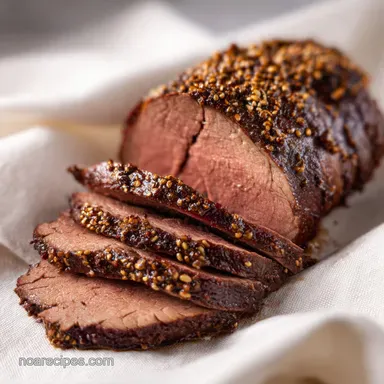
Chinese Cumin Lamb: Crispy Stir Fry
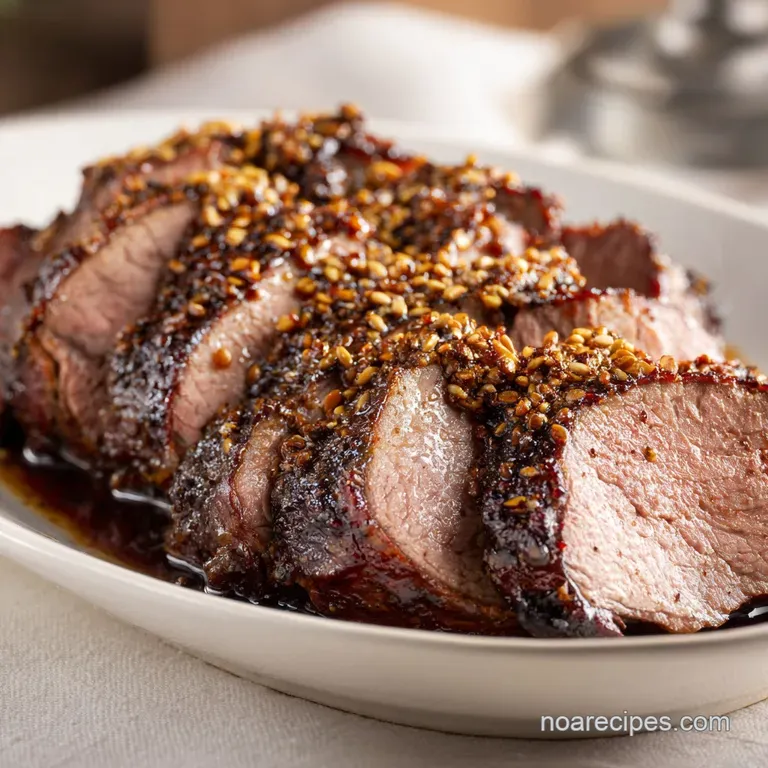
- Time: 15 min active + 20 min marinating = Total 45 mins
- Flavor/Texture Hook: Shatter crisp edges with a velvety center
- Perfect for: Fast weeknight dinners for the family
I still remember the first time I smelled this dish at a night market. The air was freezing, but there was this one stall with a huge iron griddle and a cloud of fragrant, toasted spice that seemed to pull people in from blocks away.
I watched the cook toss handfuls of meat and cumin seeds into the heat, and the sound was like a constant, aggressive crackle. I tried to recreate it at home that weekend, but my kitchen just smelled like boiled meat, and the lamb turned a dull grey.
The problem was that I was crowding my pan and ignoring the moisture. I learned the hard way that if you don't treat the meat first, it just leaks juice and stews in its own liquid. Once I figured out the "velveting" trick and the importance of a screaming hot pan, everything changed.
Now, this Cumin Lamb is my go to when I want something that feels special but doesn't take hours to prep.
This recipe is all about high heat and fast movement. We're not slow cooking anything here. We're aiming for that specific contrast where the exterior of the lamb is almost charred and the inside stays tender. It's a bold, salty, and earthy dish that makes a simple bowl of white rice feel like a feast.
Cumin Lamb Texture Secrets
To get this right, we have to handle the meat and the spices in a specific way. It's not just about the ingredients, but how they react to the heat of the pan.
The Cornstarch Barrier: A thin layer of starch creates a protective shell around the meat. This prevents the juices from escaping too quickly and allows the surface to brown rapidly.
The Spice Toast: Adding cumin at the very end prevents the seeds from burning. When the seeds hit the hot oil for just a few seconds, they release their oils and create that signature aromatic punch.
The Single Layer Sear: Spreading the meat across the pan prevents the temperature from dropping. If the pan cools down, the lamb releases water and you lose the crispy edges.
The Acid Balance: The rice wine cuts through the heavy fat of the lamb. This ensures the dish tastes fresh and bright rather than greasy.
| Method | Time | Texture | Best For |
|---|---|---|---|
| Stovetop | 10 mins | Crispy & Velvety | Quick weeknight meals |
| Oven | 20 mins | Uniformly Roasted | Larger crowds/batching |
The stovetop method is definitely the way to go if you want that authentic street food feel. The oven can work for huge portions, but you'll lose that immediate sizzle that makes this dish so addictive.
Essential Recipe Specs
Before we get into the pan, let's look at the components. I've found that using the right cut of meat makes a huge difference in the final result. Sirloin is great for a cleaner taste, while the leg offers a bit more traditional lamb flavor.
According to USDA FoodData, lamb is rich in zinc and B vitamins, which makes this a hearty choice for a family meal. To keep it stress free, I recommend prepping all your chopped aromatics before you even turn on the stove. Stir frying happens so fast that you won't have time to mince ginger while the garlic is burning.
| Ingredient | Science Role | Pro Secret |
|---|---|---|
| Cornstarch | Moisture Seal | Use a small amount; too much makes it gummy |
| Cumin Seeds | Aroma Base | Coarsely crush them to release more oils |
| Rice Wine | Fat Cutter | Use Shaoxing for the most authentic scent |
| Soy Sauce | Umami Salt | Add it to the marinade, not the pan, to avoid burning |
Ingredients and Swaps
I've listed everything you'll need below. For the lamb, make sure you slice it against the grain. If you slice with the grain, the meat will be chewy, no matter how much cornstarch you use.
For the Protein
- 450g (1 lb) lamb sirloin or leg, thinly sliced against the grain
- 15ml (1 tbsp) soy sauce
- 15ml (1 tbsp) Shaoxing rice wine
- 5g (1 tsp) cornstarchWhy this? Creates the velvety texture
- 15ml (1 tbsp) neutral oil
For the Xinjiang Spice Mix
- 30g (2 tbsp) toasted cumin seeds, coarsely crushedWhy this? The heart of the flavor
- 5g (1 tsp) red chili flakes
- 3g (1/2 tsp) salt
- 3g (1/2 tsp) granulated sugar
- 1g (1/4 tsp) white pepper
For the Stir Fry
- 30ml (2 tbsp) neutral oil
- 1 medium white onion, sliced into wedges
- 3 cloves garlic, minced
- 1 inch fresh ginger, minced
- 2 scallions, cut into 2 inch lengths
- 5ml (1 tsp) sesame oil
If you find yourself without some of these items, don't stress. You can still make a great version of Cumin Lamb with a few simple changes.
| Original Ingredient | Substitute | Why It Works |
|---|---|---|
| Shaoxing Wine | Dry Sherry | Similar aromatic profile. Note: Slightly sweeter |
| Lamb Sirloin | Beef Flank | Similar lean texture. Note: Less "gamey" flavor |
| Cumin Seeds | Ground Cumin | Works in a pinch. Note: Less texture, burns faster |
| White Onion | Red Onion | Adds a bit of sweetness. Note: Changes color slightly |
Basic Tools Needed
You don't need a professional kitchen to pull this off. A simple setup is actually better for a stress free experience. While a carbon steel wok is the gold standard for heat distribution, a wide stainless steel or cast iron skillet works just fine.
The most important tool here is your knife. Since the lamb needs to be sliced very thin, a sharp chef's knife is essential. If you're struggling to slice the meat, pop it in the freezer for 15 minutes before cutting. This firms it up and lets you get those paper thin strips.
I also suggest using a wide spatula. You'll be moving the meat quickly, and a wide tool helps you flip the lamb without tearing the delicate crust we're building.
Step-by-step Cooking Guide
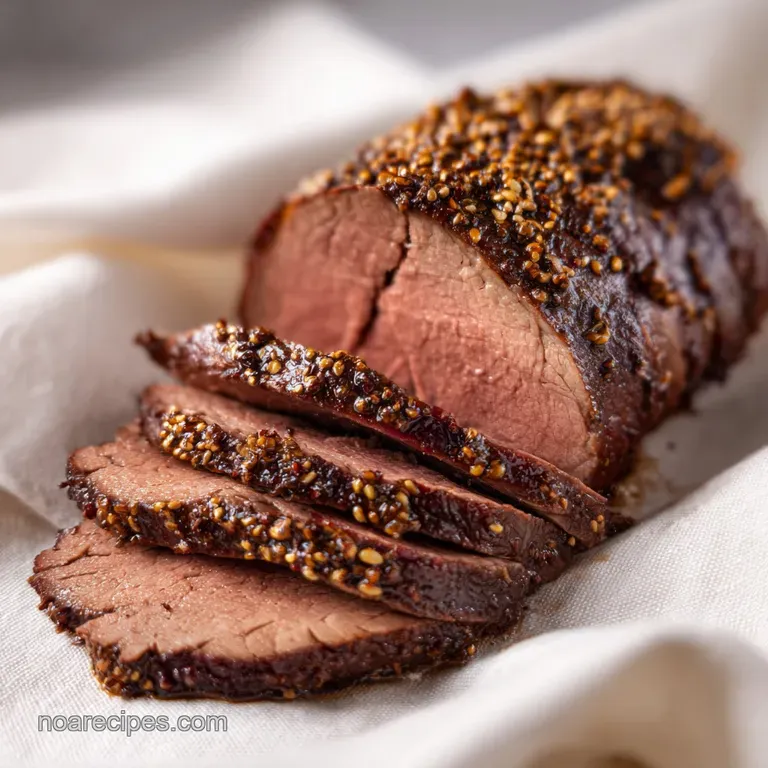
Right then, let's get cooking. Make sure your spice mix is pre measured in a small bowl. Once the lamb hits the pan, things move quickly.
- Slice the lamb into thin, bite sized strips against the grain. Combine the meat with soy sauce, rice wine, cornstarch, and oil. Toss until coated and let rest for 20 minutes. Note: This lets the starch hydrate and the flavors sink in.
- Heat 30ml (2 tbsp) of neutral oil in a wok or skillet over medium high heat until shimmering. Add sliced onions and stir fry for 2 minutes until translucent and softening.
- Stir in the minced garlic and ginger, cooking for 30 seconds until the aroma fills the kitchen.
- Increase heat to high. Spread the marinated lamb in a single layer across the pan and sear undisturbed for 60-90 seconds until a brown crust forms.
- Stir fry the lamb for another 2 minutes until the meat is just cooked through and no longer pink.
- Sprinkle the spice mix (cumin, chili flakes, salt, sugar, and white pepper) evenly over the meat. Toss rapidly for 30 seconds until the spices smell toasted and fragrant.
- Fold in the scallions and drizzle with 5ml (1 tsp) sesame oil. Remove from heat immediately. Note: Sesame oil burns easily, so always add it at the end.
Chef's Note: If you see a lot of liquid pooling in the pan during step 4, your heat isn't high enough. Drain the excess liquid or crank up the flame to keep that sizzle going.
Common Cooking Fixes
Even for experienced cooks, stir fries can be tricky. The biggest issue people run into is the meat "stewing" instead of searing. This usually happens because the pan isn't hot enough or there's too much meat in the pan at once.
Taming the Lamby Flavor
Some people find lamb too "gamey." To fix this, ensure you use the Shaoxing wine in the marinade, as the alcohol helps neutralize the strong scents. You can also add a pinch of extra sugar to the spice mix to balance the earthiness.
Managing Spice Burn
Cumin and chili flakes can burn and turn bitter if they sit on the heat for too long. This is why we add them at the very end. If you notice the spices turning dark brown or smelling acrid, remove the pan from the heat immediately.
Preventing Meat Toughness
Overcooking is the enemy here. Lamb sirloin cooks incredibly fast. As soon as the pinkness disappears, get the meat out of the pan. If you leave it for an extra 2 minutes, it will turn from velvety to rubbery.
| Problem | Root Cause | Solution |
|---|---|---|
| Meat is grey/boiled | Pan temperature too low | Increase heat; cook in smaller batches |
| Spices taste bitter | Overcooked the cumin | Add spices in the final 30 seconds only |
| Tough, chewy meat | Sliced with the grain | Always slice perpendicular to the muscle fibers |
Common Mistakes Checklist
- ✓ Did you slice against the grain?
- ✓ Is the pan shimmering before the meat goes in?
- ✓ Did you let the meat sear undisturbed for 90 seconds?
- ✓ Are the spices added at the very end?
- ✓ Did you remove the pan from heat before the sesame oil burned?
Adjusting Serving Sizes
When you're cooking for a crowd, the temptation is to just double everything in one pan. Don't do it. If you put 2 lbs of lamb in a standard home skillet, the temperature will plummet, and you'll end up with a soggy mess.
Scaling Down (½ batch) Use a smaller skillet to maintain heat. You can reduce the cooking time by about 20%, but keep the marinating time at 20 minutes. If you're using an egg for a different variation, beat it first and then use half.
Scaling Up (2x-4x batch) Work in batches. Sear the lamb in two or three separate turns, then remove the meat to a bowl. Once all the meat is seared, toss it all back in with the onions and spices for the final finish.
For spices and salt, only increase to 1.5x the original amount first, then taste and add more if needed.
If you're making this as part of a bigger meal, you might want to try my Cumin Lamb Noodles for a more filling option. It's a great way to stretch the protein further when feeding a large family.
Debunking Lamb Myths
There's a lot of misinformation about cooking lamb that can make home cooks nervous. Let's clear a few things up.
The idea that you must use expensive, organic lamb for a stir fry is a myth. Because the flavors of cumin and garlic are so powerful, a standard sirloin or leg cut from the grocery store works perfectly. The technique matters more than the price tag.
Another common belief is that searing "seals in the juices." In reality, searing doesn't create a waterproof seal. The browning is actually about flavor. The crust adds a deep, savory taste that you just can't get from boiling or steaming.
Finally, some people think you need a professional wok burner to get "wok hei" (the breath of the wok). While a high BTU burner helps, you can mimic the effect by using a cast iron pan and keeping the meat moving quickly.
Storage and Waste Tips
This Cumin Lamb is best eaten fresh, but it does keep reasonably well. Store any leftovers in an airtight container in the fridge for up to 3 days.
When reheating, avoid the microwave if possible, as it can make the meat rubbery. Instead, toss it in a hot pan for 2 minutes with a tiny splash of water or oil to bring back the sizzle.
For freezing, I don't recommend it for the stir fry version, but you can freeze the marinated raw lamb for up to 2 months.
To keep things zero waste, don't throw away your onion ends or ginger scraps. I keep a "stock bag" in the freezer for these bits. Once the bag is full, I simmer them with water and a bay leaf to make a quick veggie broth.
Also, if you have leftover scallion greens, chop them up and freeze them in a small jar with oil to use as a flavor base for other dishes.
If you're looking for a lighter snack to balance out the richness of this meal, these Almond Protein Snacks are a great way to use up pantry staples.
Plating and Serving Tips
Since this Cumin Lamb has such bold colors and scents, the presentation should stay simple. I love serving it on a large platter with a pile of steamed jasmine rice on the side. The white rice acts as a neutral canvas for the earthy, spicy lamb.
For a bit of freshness, add a side of smashed cucumber salad with black vinegar and garlic. The acidity of the vinegar cuts through the richness of the lamb and cleanses the palate between bites. You can also garnish the dish with extra fresh cilantro or thinly sliced red chilies for a pop of color.
If you're serving this as an appetizer, try plating the lamb in small heaps on a platter with toothpicks. It mimics the feel of Cumin Lamb skewers without the hassle of grilling. Just make sure to serve it immediately while the edges are still shatter crisp.
Trust me, once your family tastes that toasted cumin aroma, they'll be asking for this every week. It's a stress free way to bring a bit of global flavor into your everyday rotation. Right then, let's get that pan heating up!
Recipe FAQs
Does cumin go well with lamb?
Yes, it is a classic culinary pairing. The earthy, warm notes of cumin perfectly balance the rich and gamey flavor of the lamb.
What is cumin lamb?
A savory stir fry featuring seared lamb and toasted spices. This dish combines thinly sliced meat with cumin seeds, chili flakes, garlic, and ginger for a bold, aromatic profile.
Is cumin lamb a Uyghur dish?
Yes, it is a signature of Uyghur cuisine. This regional style is famous for its heavy use of toasted cumin and high heat searing techniques.
Which spice is best for lamb?
Cumin is the gold standard. Its pungent, warm aroma cuts through the fattiness of lamb sirloin or leg better than most other spices.
How to slice the lamb to ensure it stays tender?
Slice the meat into thin, bite sized strips against the grain. Cutting across the muscle fibers ensures the meat is easy to chew and tender after cooking.
Is it true that this lamb must be simmered for a long time to be tender?
No, this is a common misconception. This recipe uses a high heat sear for 60 90 seconds and a quick 2-minute stir fry to maintain tenderness.
How to reheat leftovers without making the meat rubbery?
Toss the lamb in a hot pan for 2 minutes. Add a tiny splash of water or oil to bring back the sizzle and restore the texture.
Chinese Cumin Lamb