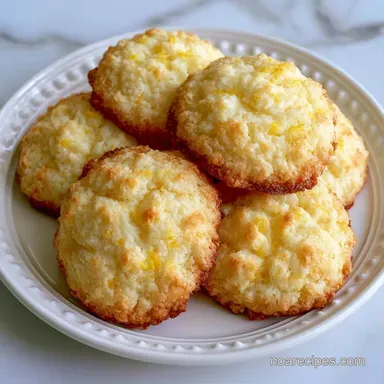
Easy Lemon Butter Cookies with Fresh Zest
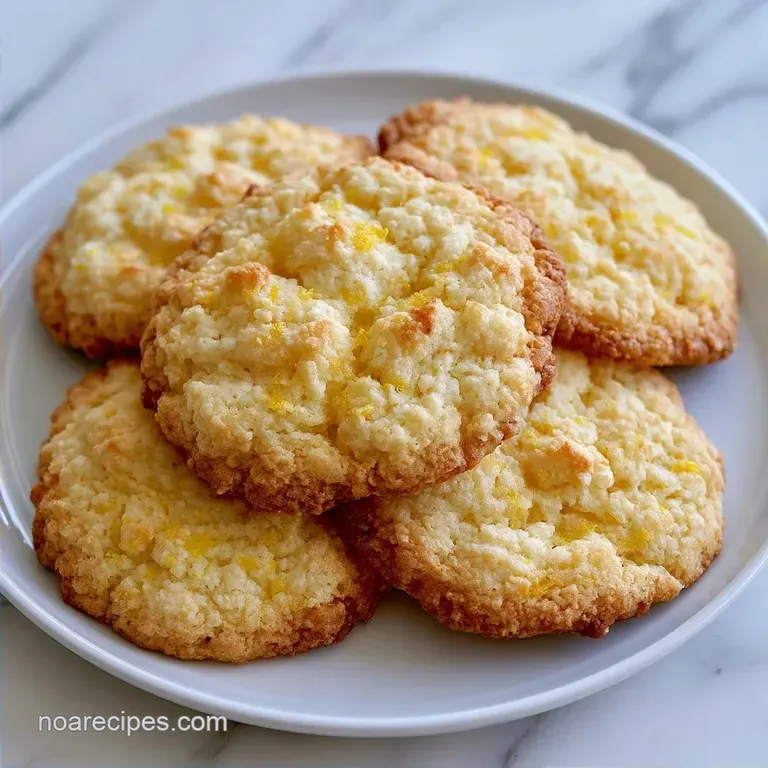
- Time: 15 min active + 10 min baking
- Flavor/Texture Hook: Tangy, buttery, and soft with a glossy glaze
- Perfect for: Sunday afternoon tea or spring gatherings
The smell of fresh lemon hitting warm butter is probably one of the best scents in a kitchen. It just feels like a bright, sunny morning, even if it's raining outside. I remember making these for a neighbor who had a rough week, and the moment I handed over the plate, the room just felt lighter.
These aren't those hard, crunchy cookies that break your teeth. They're soft and tender, with a bit of a buttery richness that balances the sharp citrus. If you've struggled with cookies that spread too much or taste like flour, this recipe fixes that by using a specific mixing method.
You'll get a batch of Easy Lemon Butter Cookies that look clean and professional but only take a few minutes of actual work. We're focusing on the prep flow here, so you aren't scrambling while the oven is heating up. Right then, let's crack on.
Baking Easy Lemon Butter Cookies
The key to these is the balance between the fat and the acid. If you use too much lemon juice in the dough, the butter breaks and the cookies flatten into pancakes. That's why we lean heavily on the zest for the flavor in the cookie itself and save the juice for the glaze.
I once tried to "improve" this by adding a whole lemon's worth of juice to the batter. It was a disaster. The dough became a soup, and I had to add so much extra flour to save it that the cookies tasted like bland biscuits. Trust me on this: keep the juice in the glaze where it belongs.
For those who love a bright dessert, these are a great starting point. If you're in the mood for something slightly different, you might also enjoy these zesty lemon sugar cookies, which have a bit more of a crystalline crunch.
Why This Dough Works
The magic here is all about the air and the oils. We aren't doing anything fancy, just using a few basic principles to get that specific soft bite.
- Powdered Sugar
- Because it's finer than granulated sugar, it dissolves instantly into the butter, creating a tighter, softer crumb.
- Fresh Zest
- The oils in the lemon skin provide the actual "lemon" flavor, whereas the juice mostly just adds sourness.
- Room Temp Butter
- This allows the sugar to create tiny air pockets during creaming, which helps the cookies rise evenly.
| Feature | Fresh Lemon Approach | Shortcut (Bottled/Extract) | Impact on Taste |
|---|---|---|---|
| Flavor | Bright, floral, punchy | Flat, chemical, one note | Fresh is significantly more vibrant |
| Texture | Natural oils add depth | No oil, just liquid/essence | Fresh feels more "homemade" |
| Effort | 2 minutes of zesting | 5 seconds of pouring | Negligible difference in time |
What's In the Mix
The ingredients here are basic, but the quality matters. Use a high fat butter if you can find it, as it makes the cookies feel more luxurious.
| Ingredient | What It Does | Best Swap |
|---|---|---|
| Unsalted Butter | Provides structure and richness | Salted butter (reduce added salt) |
| Powdered Sugar | Creates a tender, fine crumb | Fine caster sugar (will be grainier) |
| Fresh Lemon Zest | Delivers the core citrus aroma | Lemon extract (less punchy) |
| All Purpose Flour | Gives the cookie its body | 1:1 gluten-free flour blend |
For the Cookie Dough
- 1/2 cup (115g) unsalted butter, softened Why this? Provides the rich, buttery base.
- 3/4 cup (90g) powdered sugar Why this? Ensures a soft, melt in-mouth texture.
- 1 tbsp (6g) fresh lemon zest Why this? Essential for that bright, natural citrus pop.
- 1 tsp (5ml) vanilla extract Why this? Rounds out the sharp lemon notes.
- 1 large (50g) egg Why this? Binds everything and adds a slight lift.
- 1 1/2 cups (190g) all purpose flour Why this? Standard structure for a soft cookie.
- 1/2 tsp (3g) baking powder Why this? Gives a gentle rise so they aren't flat.
- 1/4 tsp (1.5g) salt Why this? Balances the sugar.
For the Simple Lemon Glaze
- 1/2 cup (60g) powdered sugar
- 1 tbsp (15ml) fresh lemon juice
- 0.5g salt
Tools You'll Need
You don't need a professional kitchen for this. A basic setup will do just fine. I recommend a stand mixer such as KitchenAid for the creaming stage, but a hand mixer works perfectly well too.
- Electric mixer (hand or stand)
- Two mixing bowls (one for dry, one for wet)
- Baking sheet and parchment paper
- Small whisk for the glaze
- Measuring cups and spoons (or a kitchen scale for better accuracy)
- Wire cooling rack
Step-by-step Baking Flow
To get these Easy Lemon Butter Cookies right, follow the flow. I've broken this down into phases so you can organize your workspace.
Phase 1: Creaming the Base
- Beat the softened butter and powdered sugar together using an electric mixer on medium high for 2-3 minutes until the mixture looks pale, fluffy, and light. Note: This incorporates air, which prevents the cookies from becoming dense.
Phase 2: Incorporating the Aromatics
- Add the lemon zest, vanilla extract, and egg.
- Beat on medium speed until the batter is fully combined and smooth. Note: Scrape the sides of the bowl to ensure no butter clumps remain.
Phase 3: Folding in Dry Ingredients
- Whisk the flour, baking powder, and salt in a separate bowl.
- Lower the mixer to the lowest setting or use a spatula to gradually add the flour mixture.
- Mix only until the white streaks of flour disappear. Note: Over mixing develops gluten, which makes the cookies tough instead of tender.
Phase 4: Baking to Golden Perfection
- Scoop rounded tablespoons of dough and place them 2 inches apart on a parchment lined baking sheet.
- Bake at 350°F (175°C) for 10-12 minutes until edges are barely set and tops remain pale. Note: Do not wait for them to brown; they will overbake and lose their softness.
- Let them cool on the pan for 5 minutes, then move them to a wire rack.
Phase 5: Finishing with the Glaze
- Whisk together the powdered sugar, lemon juice, and salt until the glaze is smooth and pourable.
- Drizzle or dip the cooled cookies into the glaze and let them set for 15 minutes before serving.
Fixing Common Cookie Problems
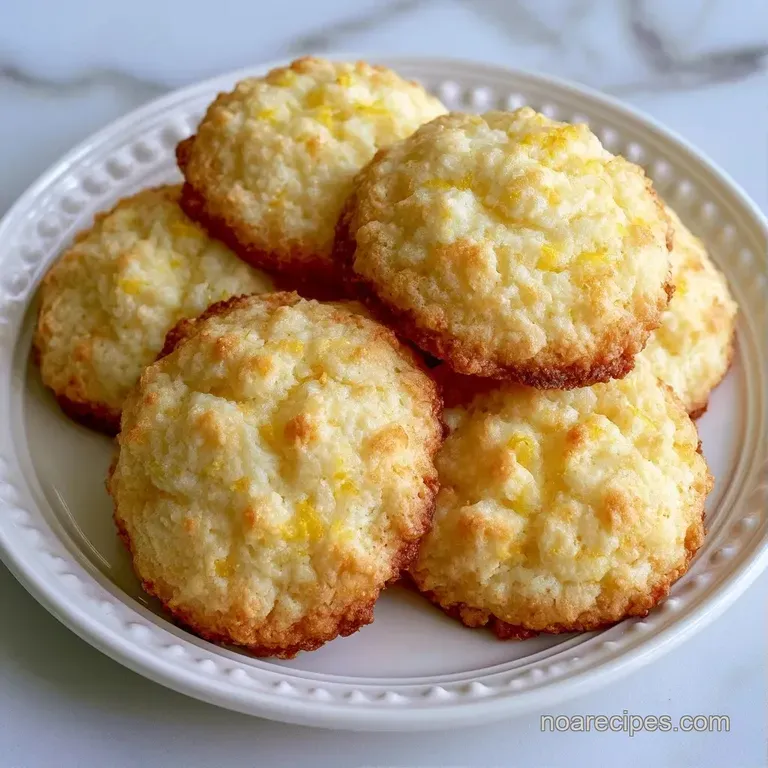
Even with a simple recipe, things can go sideways. Most cookie issues come down to temperature or mixing time. If your dough feels too soft, don't just dump in more flour. That's the fastest way to ruin the texture.
Why Your Cookies Spread Too Much
If the cookies flatten out into thin discs, the butter was likely too warm. Butter should be "softened," not melted. According to King Arthur Baking, the temperature of your fats significantly impacts the final structure of the bake.
Preventing a Cakey Texture
A "cakey" cookie usually happens from two things: too much baking powder or over mixing the flour. Keep your mixing to the absolute minimum. For more tips on getting a dense but soft bite, check out my guide on fresh lemon juice cookies.
Troubleshooting Guide
| Problem | Root Cause | Solution |
|---|---|---|
| Cookies are flat | Butter was too soft or melted | Chill dough for 30 mins before baking |
| Glaze is too runny | Too much lemon juice | Add 1 tbsp more powdered sugar |
| Tough, bread like bite | Over mixed the flour | Mix only until flour streaks vanish |
Fun Flavor Twists
Once you've got the base down, you can play around. This recipe is very forgiving, so feel free to experiment with these ideas.
- Poppy Seed Crunch: Add 1 tablespoon of poppy seeds to the flour mixture. It gives a great visual contrast and a tiny bit of texture.
- Lemon Curd Center: Instead of a glaze, press a small thumbprint into the dough before baking and fill it with a teaspoon of store-bought lemon curd.
- Berry Swirl: Fold in a handful of finely diced dried cranberries or blueberries for a tart contrast.
- Double Citrus: Replace half of the lemon zest with orange zest for a "citrus blend" version.
Adjusting the Batch Size
Making a few for yourself or a dozen for a party? Here is how to handle the numbers.
Scaling Down (1/2 batch): Use 4 tbsp of butter and 6 tbsp of powdered sugar. Since you can't easily use half an egg, beat one egg in a small bowl and measure out about 25g. Reduce the baking time by about 1-2 minutes since there's less thermal mass in the oven.
Scaling Up (2x batch): Double everything except the salt and baking powder, use 1.5x of those to avoid a chemical aftertaste. Work in batches; don't crowd your baking sheets, or the cookies will steam instead of bake, ruining the edges.
If you're baking multiple sheets at once, lower the temp to 325°F and extend the time by 2-3 minutes to ensure even heat distribution.
| If you want... | Do this... |
|---|---|
| More tang | Increase zest to 2 tbsp |
| A softer bite | Underbake by 60 seconds |
| Crunchier edges | Bake for full 12 minutes |
Lemon Cookie Myths
There are a few things people tell you about cookies that just aren't true. Let's clear those up.
Myth: Searing the edges makes them better. Some people think you need to see brown edges for a cookie to be "done." With these Easy Lemon Butter Cookies, browning means they're overbaked. You want them pale to keep that soft, buttery feel.
Myth: You can use any sugar. Substituting granulated sugar for powdered sugar isn't a 1:1 swap in terms of texture. Granulated sugar creates more air and a crispier edge, which changes these from a tender butter cookie to a standard sugar cookie.
Storage and Waste Tips
These cookies stay fresh for a surprisingly long time if you store them correctly.
Storage Guidelines: Keep them in an airtight container at room temperature for up to 4 days. If you're keeping them longer, the fridge is your friend, they'll last about a week there. I actually love them cold; the butter firms up and gives them a almost fudge like consistency.
Freezing: You can freeze the baked (but unglazed) cookies for up to 3 months. Just wrap them tightly in foil and a freezer bag. Thaw them at room temperature for an hour, then apply the fresh glaze right before serving.
Zero Waste Tip: Don't toss the leftover lemon halves! After zesting and juicing, you can freeze the remaining rinds in a bag to use for making homemade citrus infused vinegar or adding to a pot of simmering water to make the house smell great.
Pretty Plating Ideas
Since these are such bright, cheerful cookies, they deserve a bit of effort in presentation.
I like to serve them on a white ceramic platter to make the yellow glaze pop. Adding a few thin slices of fresh lemon or a sprinkle of mint leaves around the edges makes them look like they came from a high end cafe.
If you're giving them as a gift, stack them in threes with a piece of parchment paper between each layer and tie the whole stack with a yellow twine ribbon. It's simple, but it feels thoughtful.
Recipe FAQs
How to make these lemon butter cookies from scratch?
Beat softened butter and powdered sugar until pale and fluffy, then mix in lemon zest, vanilla, and egg. Gradually stir in flour, baking powder, and salt before baking at 350°F for 10-12 minutes.
How to make these cookies without vanilla extract?
Omit the vanilla extract entirely or replace it with a tiny bit more lemon zest. The lemon flavor is strong enough to carry the recipe on its own.
Why are my lemon butter cookies coming out flat?
Your butter was likely too soft or melted. Chill the dough for 30 minutes before baking to ensure the cookies hold their shape.
Is it true that I should mix the flour until the batter is completely smooth?
No, this is a common misconception. Mix only until white streaks of flour disappear to prevent overworking the gluten and creating a bread-like texture.
How to fix a lemon glaze that is too runny?
Stir in one additional tablespoon of powdered sugar. Continue adding small increments until the glaze reaches your preferred thickness.
How long do these lemon cookies stay fresh?
Up to 4 days at room temperature. Store in an airtight container, or refrigerate for a week for a fudge-like consistency. If you enjoyed the meal prep here, see how we organize a seasoned beef meatloaf for a larger crowd.
Can I freeze these cookies?
Yes, freeze them before glazing. Wrap baked cookies tightly in foil and a freezer bag for up to 3 months, then thaw and apply fresh glaze.
Easy Lemon Butter Cookies in 25 Minutes