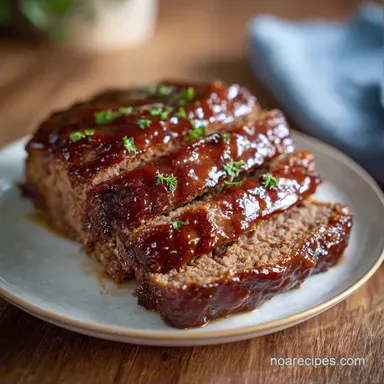
Brown Sugar Glazed Meatloaf: Sticky and Moist
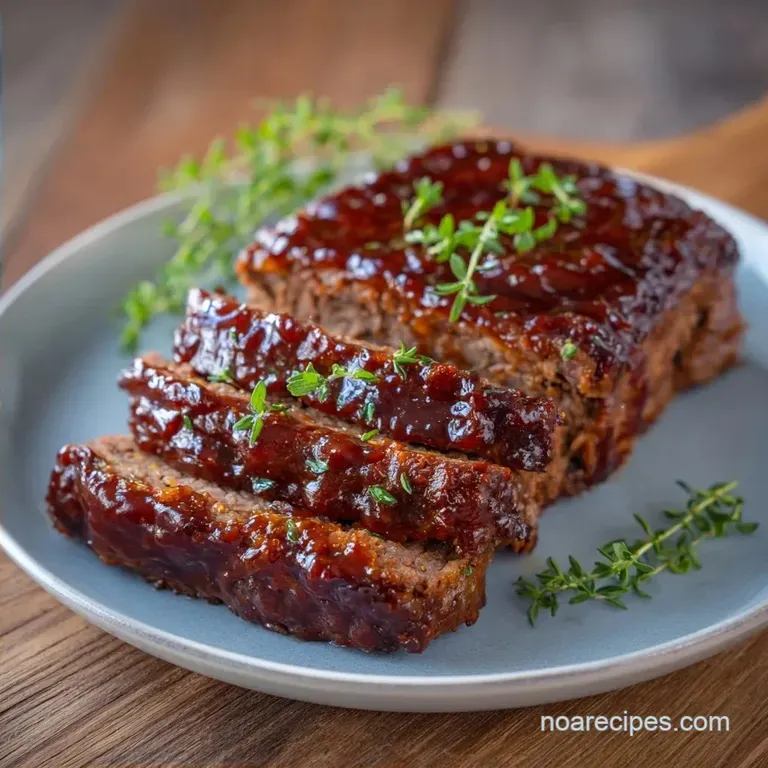
- Time: 20 min active + 60 min baking
- Flavor/Texture Hook: Sticky sweet glaze with a velvety interior
- Perfect for: Family Sunday dinner or easy weeknight meal prep
The scent of bubbling sugar and savory beef hitting the oven air is everything. There is nothing quite like that moment when you pull a loaf out and the glaze has turned into a thick, glossy lacquer. It's the kind of meal that makes the whole house smell like a cozy Sunday afternoon.
Most people struggle with meatloaf because it either turns into a rubbery brick or it's so mushy it falls apart the second you touch it. I've been there, usually staring at a gray slab of meat that tastes like nothing. The trick is in the balance of fat and the way you handle the meat.
This Brown Sugar Meatloaf fixes those issues by focusing on a gentle mix and a double hit of sweetness. We aren't just putting sugar on top; we're building a caramelized foundation in the pan. It's a stress free way to get a high impact dinner on the table without needing any fancy gear.
Brown Sugar Meatloaf for the Family
Right then, let's talk about why this version actually works. Most recipes just slap a glaze on top at the end, but we're doing something different here. By putting sugar and ketchup on the bottom of the pan, we create a reverse sear.
The bottom of the loaf basically candies while it bakes, giving you a flavor profile that's deep and rich.
It's a great option for people who think they hate meatloaf. The sweetness cuts through the richness of the beef, making it feel less like a heavy school cafeteria meal and more like a treat. Plus, it's an everyday recipe that doesn't require you to spend hours prepping.
If you're looking for something with a bit more zip, you might like my tangy glazed beef meatloaf, but for pure, comforting sweetness, this is the one. It's a reliable, family friendly winner that never fails to clear the plate.
Why This Recipe Works
Bottom Caramelization: Placing sugar and ketchup under the meat creates a sticky crust that prevents the bottom from getting soggy.
Panko Absorption: These breadcrumbs soak up the beef juices and egg, keeping the interior velvety instead of dense.
Acid Balance: The apple cider vinegar and Dijon mustard in the glaze break up the sugar, so it tastes savory, not like a dessert.
Gentle Binding: Using only two eggs for two pounds of meat provides enough structure without making the loaf rubbery.
| Method | Time | Texture | Best For |
|---|---|---|---|
| Oven Bake | 60 min | Consistent & Glazed | Family Dinners |
| Stovetop | 40 min | Seared & Rustic | Quick Meals |
Component Analysis
| Ingredient | Science Role | Pro Secret |
|---|---|---|
| 80/20 Beef | Fat/Flavor | Don't go leaner or it'll be dry |
| Panko | Structure | Shake the bag to break up clumps |
| Brown Sugar | Caramelization | Pack it tight for more flavor |
| Eggs | Emulsifier | Beat them well before adding |
Ingredients and Substitutes
For the meat mixture: - 2 lbs ground beef (80/20 lean to fat ratio) Why this? Fat equals moisture and flavor - 1 cup panko or plain breadcrumbs Why this? Lighter texture than traditional crumbs - 2 large eggs, beaten Why this? Holds
Everything together - 1/2 cup onion, finely diced Why this? Adds moisture and sweetness - 2 cloves garlic, minced Why this? Sharp contrast to the sugar - 1 tsp salt Why this? Enhances all other flavors - 1/2 tsp
Black pepper Why this? Subtle heat - 1 tbsp Worcestershire sauce Why this? Deep umami punch
For the Sweet Brown Sugar Meatloaf Glaze: - 1/2 cup packed brown sugar Why this? Creates the sticky lacquer - 1/2 cup ketchup Why this? Tomato base for the glaze - 1 tbsp apple cider vinegar Why this? Cuts the sweetness - 1
Tsp Dijon mustard Why this? Adds a sophisticated tang
| Original Ingredient | Substitute | Why It Works |
|---|---|---|
| Panko | Breadcrumbs | Similar structure. Note: Texture is slightly denser |
| Ground Beef | Ground Pork | Similar fat content. Note: Milder flavor |
| Brown Sugar | Maple Syrup | Liquid sweetness. Note: Thins the glaze significantly |
| Apple Cider Vinegar | White Vinegar | Same acidity. Note: Lacks the fruity notes |
Step-by-step Instructions
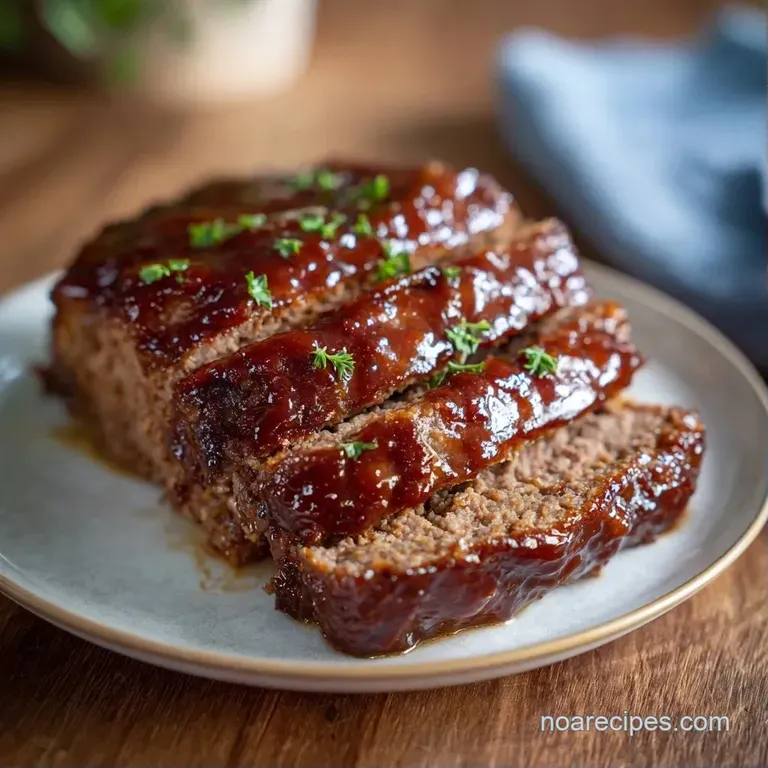
Phase 1: The Foundation and Prep
- Preheat your oven to 350°F (175°C) and line a 9x5 inch loaf pan with parchment paper. Note: This makes cleanup a breeze.
- Sprinkle 1/4 cup of the brown sugar evenly across the bottom of the pan and spread a thin layer of ketchup over the sugar to create a caramelized base.
Phase 2: Mixing and Shaping
- In a large bowl, combine the ground beef, breadcrumbs, beaten eggs, diced onion, minced garlic, salt, pepper, and Worcestershire sauce.
- Gently mix the meatloaf ingredients by hand until just combined. Stop as soon as it's mixedNote: Overmixing makes the meat tough and rubbery.
- Press the meat mixture gently over the sugar and ketchup base in the pan, smoothing the top with a spatula.
Phase 3: Glazing and Roasting
- Whisk the remaining brown sugar, ketchup, apple cider vinegar, and Dijon mustard in a small bowl until smooth.
- Pour the glaze over the top of the loaf, spreading it evenly to the edges.
- Bake for 60 minutes until the glaze is bubbling and mahogany in color and the internal temperature reaches 160°F (71°C).
- Allow the meatloaf to rest in the pan for 10 minutes before lifting it out and slicing to ensure juices redistribute.
Chef's Note: If you have a meat thermometer, use it. Taking the loaf out at exactly 160°F prevents that dreaded "dry meat" feeling.
What Can Go Wrong
The Loaf is Too Dense
This usually happens because of over mixing. When you work the meat too much, you develop the proteins, which creates a tight, rubbery texture. Use a light touch and stop mixing the second you don't see any more clumps of onion.
The Glaze Burned
Sugar burns quickly if the oven is too hot or the glaze is too thin. If you see the edges turning black before the center is done, loosely tent a piece of foil over the top for the last 15 minutes.
Meatloaf Falls Apart
This is often a resting issue. If you slice it immediately, the juices run out and the structure collapses. Give it those full 10 minutes to firm up.
| Problem | Root Cause | Solution |
|---|---|---|
| Dry Meat | Too lean beef | Use 80/20 fat ratio |
| Mushy Center | Too many fillers | Stick to 1 cup panko |
| Bland Taste | Under salted | Add 1/4 tsp more salt |
Common Mistakes Checklist:
- ✓ Avoid using 90/10 lean beef
- ✓ Do not pack the meat too tightly in the pan
- ✓ Ensure onions are diced very small
- ✓ Don't skip the resting period
- ✓ Check internal temp with a probe
Adjusting the Yield
If you're cooking for a crowd or just yourself, you can easily change the size of this Brown Sugar Meatloaf.
Scaling Down (Half Batch): Use a smaller 8x4 inch loaf pan. You'll need to beat one egg in a cup and use only half of it. Reduce the baking time by about 15-20 minutes, but still aim for that 160°F internal temperature.
Scaling Up (Double Batch): I recommend making two separate loaves rather than one giant one. This ensures the middle cooks through before the outside burns. If you do this, keep the salt and spices at 1.5x instead of 2x to avoid over seasoning.
According to USDA FoodData, ground beef's nutrient density stays consistent, but larger masses of meat cook slower and can create "cold spots" in the center. Two smaller loaves are just safer.
| Goal | Adjustment | Result |
|---|---|---|
| Leaner | Substitute Turkey | Lighter but drier |
| Spicier | Add 1 tsp Cayenne | Warm, zesty kick |
| More Tang | Extra Vinegar | Sharper flavor profile |
Common Cooking Myths
Myth: Searing the meat first locks in juices. Actually, searing adds flavor but doesn't stop moisture from leaving. The real secret to juiciness is not overcooking it and using a fat ratio like 80/20.
Myth: You need a lot of breadcrumbs to keep it together. Too many crumbs make the meatloaf taste like a giant meatball. One cup for two pounds of meat is the sweet spot for a velvety texture.
Storage Guidelines
Fridge Storage: Keep your leftovers in an airtight container for up to 4 days. The glaze actually gets a bit more intense as it sits, which is great for sandwiches.
Freezing Instructions: You can freeze the cooked loaf for up to 3 months. Wrap slices individually in parchment paper and then place them in a freezer bag. This prevents them from sticking together.
Zero Waste Tips: If you have leftover glaze in the bowl, don't toss it. Brush it onto some roasted carrots or Brussels sprouts before popping them in the oven. Also, save any meatloaf scraps to chop up and stir into a pasta sauce for an instant flavor boost.
Serving Suggestions
This Brown Sugar Meatloaf needs sides that cut through the sweetness. I love serving it with a heap of garlic mashed potatoes or a crisp, vinegary coleslaw.
For a more interesting twist, try serving it on thick slices of toasted sourdough sandwich bread with a smear of Dijon mustard and some pickled red onions. It turns a standard dinner into something that feels a bit more special.
Another great pairing is honey glazed carrots or steamed green beans with lemon. The acidity in the vegetables balances the rich, sugary crust of the meat, making every bite feel fresh. Trust me on this - a bit of acidity on the plate is the key to making this meal feel balanced.
Recipe FAQs
What does brown sugar do for meatloaf?
It creates a caramelized crust and balances the savory flavors. The sugar reacts with the heat to develop a mahogany color and a deep, sweet savory glaze.
What is the secret to keeping meatloaf moist?
Don't overmix the meat. Mixing only until just combined prevents the proteins from becoming too tight and rubbery.
How to cook a beef meatloaf?
Preheat the oven to 350°F (175°C) and bake for 60 minutes. Ensure the internal temperature reaches 160°F (71°C) before removing the loaf from the pan.
How to make the red glaze topping?
Whisk together brown sugar, ketchup, apple cider vinegar, and Dijon mustard. Spread this mixture evenly over the top of the loaf before baking.
Can I use something other than brown sugar?
Yes, although the caramelization will differ. You can use honey or maple syrup; if you enjoyed balancing the sweetness here, see how we use a different flavor profile in our seasoned beef meatloaf.
Is it true that you should pack the meat tightly into the pan for a better slice?
No, this is a common misconception. Pressing the meat too firmly creates a dense, tough loaf; instead, press it gently to maintain a tender texture.
What are the best tips for a flavorful brown sugar meatloaf?
Build a caramelized base. Sprinkle 1/4 cup brown sugar and a thin layer of ketchup on the bottom of the pan before adding the meat to lock in flavor from the bottom up.
Brown Sugar Meatloaf