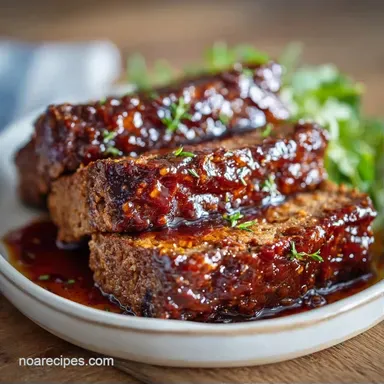
Tangy Glazed Beef Meatloaf: Tender and Juicy
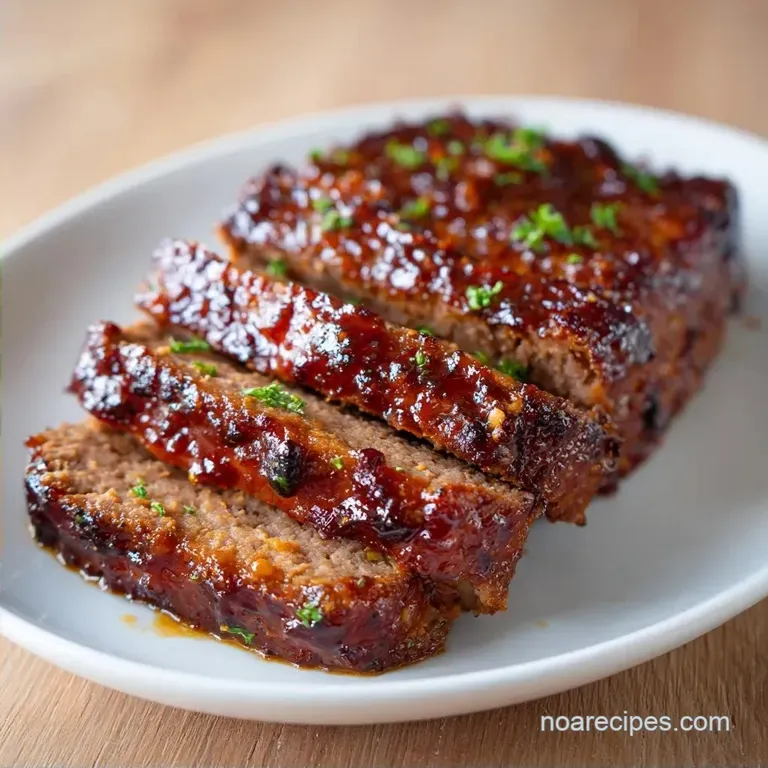
- Time: 15 min active + 50 min baking
- Flavor/Texture Hook: Sticky, lacquered glaze with a velvety, tender interior
- Perfect for: Budget-Friendly family dinners or stress free Sunday meals
- Easy Tangy Glazed Beef Meatloaf
- Gathering Your Essentials
- Must Have Cooking Tools
- Step-by-Step Cooking Guide
- Avoiding Common Cooking Mistakes
- Troubleshooting Common Issues
- Customizing Your Meatloaf
- Scaling the Batch
- Debunking Meatloaf Myths
- Storing and Freezing Guide
- Best Side Dish Pairings
- Very High in Sodium
- Recipe FAQs
- 📝 Recipe Card
The smell of onions browning in a skillet is probably my favorite scent in the world. It’s that exact moment when the kitchen starts feeling like a home, and you know something comforting is happening.
For me, that smell always leads back to Sunday afternoons, where the goal wasn't to make something fancy, but to make something that felt like a hug on a plate.
I used to think meatloaf was just a "filler" meal, something you ate when the fridge was empty. But I realized that the secret isn't in the beef itself, it's in how you treat the beef. Most people just throw everything in a bowl and mash it together, which is exactly how you end up with a texture like a rubber eraser.
This Tangy Glazed Beef Meatloaf is different because it focuses on the little things. We're talking about soaking the breadcrumbs first and not overworking the meat. It’s a Budget Friendly meal that feels special, and once you see that glaze bubbling and thickening in the oven, you'll see why this is the only version I make now.
Easy Tangy Glazed Beef Meatloaf
Right then, let's get into why this actually works. Most meatloafs fail because the proteins in the beef bind too tightly together during cooking, squeezing out all the moisture. If you've ever had a loaf that felt dry despite using fatty meat, that's what happened.
By using a panade (that's just a fancy word for bread and milk paste), we create a physical barrier between the meat proteins.
The panko doesn't just "fill" the meat, it holds onto the milk and distributes it throughout the loaf. As it bakes, that moisture slowly releases, keeping the beef velvety. Plus, the acidity in the apple cider vinegar in the glaze cuts right through the richness of the beef, so you don't feel weighed down after a few slices.
What Keeps It Juicy
- The Panade Effect: Soaking panko in milk creates a slurry that prevents protein strands from tightening too much, which stops the meat from becoming tough.
- over Low heat Sauté: Cooking the onions first removes their raw bite and ensures they don't release excess water inside the loaf, which would cause it to collapse.
- The Two Stage Bake: Baking the meat first before adding the glaze prevents the sugars in the ketchup from burning before the center is cooked through.
- Gentle Mixing: Using a fork or hands to barely combine the ingredients prevents over mixing, which keeps the texture light instead of dense.
Before we dive into the ingredients, it's helpful to see how this method differs from the "quick" ways most people do it. I've tried the shortcuts, and while they're faster, they don't hit the same spot.
| Approach | Prep Style | Texture | Best For |
|---|---|---|---|
| Fresh Method | Sautéed onions & panade | Tender and juicy | Family dinners, guests |
| Shortcut Method | Raw onions & dry crumbs | Denser and grainier | Ultra fast weeknights |
| Slow Cooker | Long, moist heat | Very soft/fall apart | Set and forget meals |
To really get this right, you need to understand what each part of the mix is doing. It's not just about flavor, it's about the structure of the loaf.
| Ingredient | Science Role | Pro Secret |
|---|---|---|
| Ground Beef | Main structure | Use 80/20 fat ratio for the best flavor and moisture. |
| Panko | Moisture reservoir | According to King Arthur Baking, panko's larger crumbs create more air pockets than traditional crumbs. |
| Egg | Binder | Beaten well to ensure the loaf doesn't crumble when sliced. |
| Brown Sugar | Glaze thickener | Caramelizes at 350°F to create that sticky "lacquer" look. |
Gathering Your Essentials
For the meat mixture, you'll want to keep your ingredients at room temperature if possible, though it's not a deal breaker. The beef should be cold, but the egg and milk are better when not freezing.
For the Meatloaf Mix
- 2 lbs ground beef Why this? 80/20 blend provides necessary fat for moisture. (Substitute: Ground turkey, but add 1 tbsp olive oil to compensate for leaness).
- 1 cup panko breadcrumbs Why this? Lighter than breadcrumbs, holds more milk. (Substitute: Crushed saltines or rolled oats).
- 1/2 cup whole milk Why this? Provides fats that keep the meat velvety. (Substitute: Heavy cream or unsweetened almond milk).
- 1 medium yellow onion, finely diced Why this? Adds sweetness and depth. (Substitute: Shallots for a milder taste).
- 2 cloves garlic, minced Why this? Essential aromatic base. (Substitute: 1 tsp garlic powder).
- 1 large egg, beaten Why this? Binds the fat and protein together. (Substitute: 1/4 cup applesauce for a binder).
- 2 tbsp Worcestershire sauce Why this? Adds umami and saltiness. (Substitute: Soy sauce).
- 1 tsp saltWhy this? Enhances all other flavors.
- 1/2 tsp black pepperWhy this? Subtle heat.
- 1 tsp dried thyme Why this? Earthy note that cuts through beef fat. (Substitute: Dried oregano).
For the Ketchup Brown Sugar Meatloaf Glaze
- 1/2 cup ketchup Why this? Base for thickness and tang. (Substitute: Tomato paste mixed with a bit of water and honey).
- 1/4 cup brown sugar, packed Why this? Creates the sticky caramel finish. (Substitute: Honey or maple syrup).
- 1 tbsp apple cider vinegar Why this? Adds the "tangy" element to balance sugar. (Substitute: Red wine vinegar).
- 1 tsp garlic powderWhy this? Even distribution of garlic flavor in the glaze.
- 1/2 tsp onion powderWhy this? Adds a savory backbone to the sweetness.
Must Have Cooking Tools
You don't need a professional kitchen for this, but a few specific tools make the process a lot smoother. I usually just use what I have on hand, but if you're missing something, there's always a workaround.
First, you'll need a large mixing bowl. I prefer glass or stainless steel because plastic can sometimes hold onto smells. A medium skillet for the onions is essential, and a spatula to keep them moving so they don't burn.
For the shaping, you can use a 9x5 inch loaf pan if you want clean edges. However, I personally prefer a rimmed baking sheet. Shaping the Tangy Glazed Beef Meatloaf into a free form log on a sheet allows the heat to hit all sides of the meat, which means more edges for that glaze to caramelize.
Finally,, have a meat thermometer ready. Relying on a fork or a toothpick is a gamble. You want an internal temperature of 160°F. According to USDA FoodData, ground beef is safely cooked at this temperature, and going much higher will start to dry out the center.
Step-by-step Cooking Guide
Right then, let's get cooking. Follow these steps closely, and don't rush the onion part that's where the flavor lives.
Sauté the diced onions in a skillet over medium heat. Cook until translucent and slightly golden (about 5-7 mins). Add the minced garlic for the last 30 seconds until it smells fragrant. Let these cool for a few minutes.
Note: Hot onions can cook the egg prematurely in the mix.
In your large bowl, combine the milk and panko breadcrumbs. Stir them and let them soak for 2 minutes until it forms a thick paste. This is your panade.
Add the ground beef, cooled onions, egg, Worcestershire sauce, salt, pepper, and dried thyme to the bowl. Use your hands or a fork to mix until just combined. Stop the moment you don't see any more clumps of panko. Note: Over mixing leads to a tough, rubbery texture.
Press the mixture into a 9x5 inch loaf pan or shape it into a log on a rimmed baking sheet. Try to keep the height even so it cooks uniformly.
Bake at 350°F (175°C) for 30 minutes. You're looking for the meat to set its structure and for the edges to start looking cooked.
While the meat is in the oven, whisk together the ketchup, brown sugar, apple cider vinegar, garlic powder, onion powder, and a pinch of salt and pepper in a small bowl.
Remove the loaf from the oven. Brush the glaze evenly over the top and sides until it's fully coated.
Bake for an additional 20 minutes. You want the glaze to look lacquered and bubbling, and the internal temperature to hit 160°F.
Remove from the oven and let it rest for 10 minutes. This is a hard rule. If you cut it immediately, the juices will run out, and you'll lose that velvety texture.
Avoiding Common Cooking Mistakes
Meatloaf can be tricky because it's basically a giant meat cake. If the ratios are off or the temperature is wrong, it can go south quickly. Here are the most common issues I've run into.
Troubleshooting Common Issues
| Issue | Solution |
|---|---|
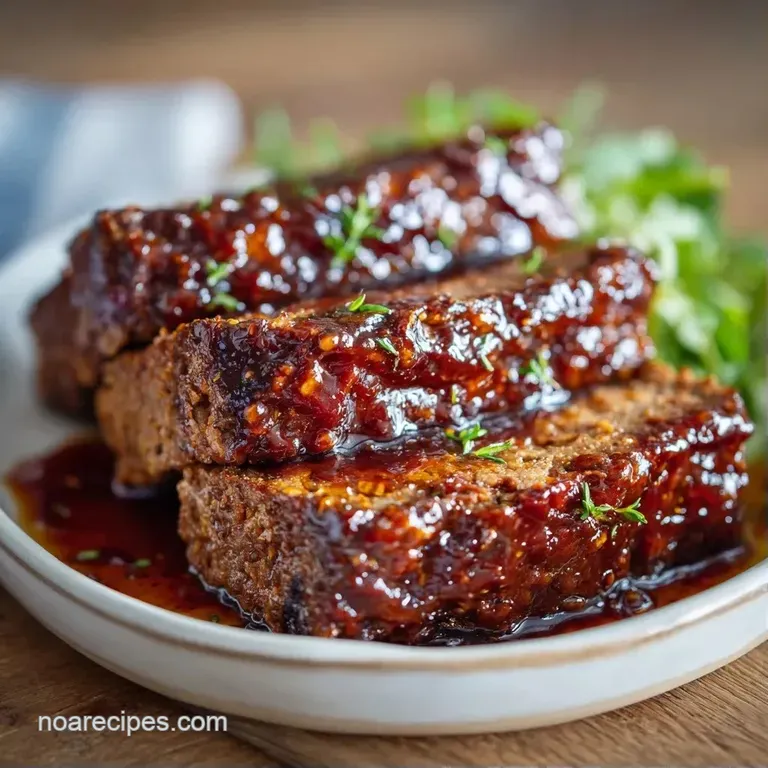
| Why Your Loaf Collapsed | This usually happens because of too much moisture or not enough binder. If your onions were too watery or you added too much milk, the structure can't support its own weight. |
| Why the Glaze Burned | Sugar burns quickly. If you put the glaze on at the very beginning, the brown sugar and ketchup will turn black and bitter long before the beef is cooked. |
| Why It's Too Dry | Dry meatloaf is usually the result of two things: using lean beef (like 90/10) or overcooking it. |
Common Mistakes Checklist
- ✓ Sautéed onions instead of using raw ones.
- ✓ Let the panko soak in milk for at least 2 minutes.
- ✓ Mixed by hand just until combined, not mashed.
- ✓ Used a meat thermometer to hit exactly 160°F.
- ✓ Let the loaf rest for 10 minutes before slicing.
Customizing Your Meatloaf
The beauty of this Tangy Glazed Beef Meatloaf is that it's a great base for other flavors. Once you've mastered the basic technique, you can start swapping things out to fit your mood or what's in your pantry.
If you want a spicy kick, add a teaspoon of sriracha or a pinch of cayenne pepper to the glaze. It pairs incredibly well with the sweetness of the brown sugar. For those who want a lower sugar version, you can swap the brown sugar for a small amount of maple syrup or even a sugar-free alternative, though the glaze won't be as "sticky."
If you're looking for a different style of meatloaf entirely, you might enjoy my Best Glazed Meatloaf Recipe, which uses a slightly different flavor profile for the topping.
For a gluten-free version, simply replace the panko with gluten-free breadcrumbs or almond flour. Just be aware that almond flour is denser, so you might need an extra tablespoon of milk to keep the panade moist.
If you prefer a mixture of meats, 1.5 lbs of beef and 0.5 lbs of pork makes the loaf even more tender due to the higher fat content of the pork.
Scaling the Batch
Sometimes you're just cooking for two, and other times you've got the whole extended family over. Scaling meatloaf isn't as simple as doubling everything, especially with the binder.
Scaling Down (Half Batch) If you're making a half portion, use a smaller loaf pan (like a 8x4) or shape a smaller log. Reduce the baking time by about 20%. The most annoying part is the egg crack one egg into a cup, beat it, and then use exactly half of it.
Using a whole egg in a half batch will make the meatloaf taste "eggy" and change the texture.
Scaling Up (Double Batch) When doubling, be careful with the salt and spices. I recommend only increasing salt, pepper, and thyme by 1.5x rather than 2x. Often, spices can become overwhelming in larger volumes.
Work in batches if your bowl isn't large enough, as over mixing to get everything incorporated is the fastest way to ruin the texture.
If you double the recipe and bake two loaves at once, lower the oven temperature by 25°F (to 325°F) and extend the cooking time by 10-15 minutes. This ensures the heat circulates evenly around both pans.
Debunking Meatloaf Myths
There are a few things people always say about meatloaf that just aren't true. Let's clear those up so you can cook with confidence.
The "Sealing Juices" Myth Some people think you should sear the meat in a pan before baking to "seal in the juices." This doesn't actually work. Searing creates a great crust (thanks to the Maillard reaction), but it doesn't stop moisture from leaving the meat during the long bake.
In a loaf this thick, searing the outside usually just leads to an overcooked exterior.
The "Breadcrumbs are Filler" Myth You'll often hear that breadcrumbs are just used to make the meat stretch further to save money. While that may have been true in the past, in modern cooking, the breadcrumbs are there for texture.
Without them, the beef proteins bond together too tightly, leaving you with something that feels more like a giant burger patty than a tender loaf.
The "Leaner is Healthier" Myth When it comes to meatloaf, using 95% lean beef is usually a mistake. It doesn't just affect the health; it ruins the dish. Lean beef lacks the fat necessary to carry the flavor of the thyme and garlic, and it dries out almost instantly in a 350°F oven.
Stick to 80/20 for the best result.
Storing and Freezing Guide
This Tangy Glazed Beef Meatloaf is actually one of those rare dishes that tastes better the next day. The flavors have more time to meld, and the meat settles.
Fridge Storage Wrap the leftovers tightly in foil or store them in an airtight container. It will stay fresh in the fridge for 3 to 4 days. When you're ready to eat it, I recommend slicing it first and then searing the slices in a pan with a bit of butter. This brings back the crispness of the glaze.
Freezing Guidelines You can freeze the cooked meatloaf for up to 3 months. I suggest slicing it into portions and freezing them with parchment paper between each slice. This prevents them from sticking together into one giant block of meat.
Reheating the Right Way Avoid the microwave if you can it often makes the meat rubbery. Instead, put the slices in a baking dish with a splash of beef broth or water, cover with foil, and heat at 325°F for about 15 minutes.
This steams the meat back to life.
Zero Waste Tips Don't throw away the leftover glaze in the bowl! You can simmer it in a small pan for 2 minutes to thicken it further and use it as a dip for the meatloaf sandwiches the next day.
If you have leftover onion scraps from the prep, toss them into a freezer bag with other veggie scraps to make a homemade stock later.
Best Side Dish Pairings
Since this dish is rich and tangy, you want sides that either lean into the comfort or provide a fresh contrast to cut through the fat.
The Classic Comfort Duo You can't go wrong with a creamy mash. The velvety texture of potatoes is the perfect bed for a slice of meatloaf, and it soaks up any extra glaze that escapes. I highly recommend serving this with my Potatoes with Creamy Mash recipe for the full experience.
The Fresh Contrast To balance the heaviness, try something bright. A crisp arugula salad with a lemon vinaigrette or some honey glazed carrots work beautifully. The bitterness of the greens or the snap of the carrots provides a necessary break from the savory beef.
The Budget Friendly Side If you're keeping things cheap, steamed green beans or peas are your best bet. Just toss them with a little butter and salt. They add a pop of color to the plate and a hit of freshness that makes the meal feel complete without breaking the bank.
Very High in Sodium
1185 mg 1,185 mg of sodium per serving (52% 52% of daily value)
The American Heart Association recommends a daily sodium limit of 2,300 mg, with an ideal limit of 1,500 mg for most adults to reduce cardiovascular risk.
Tips to Reduce Sodium
-
Eliminate Added Salt-25%
Completely remove the 1 tsp of salt; the beef and sauces already contain significant sodium.
-
Swap Worcestershire Sauce-20%
Use a low-sodium Worcestershire sauce or replace it with a tablespoon of coconut aminos for a similar umami profile.
-
Low-Sodium Ketchup-20%
Substitute the 1/2 cup of ketchup with a low-sodium version or a mixture of unsalted tomato paste and apple cider vinegar.
-
Check Breadcrumbs-10%
Ensure you are using salt free panko breadcrumbs or make your own by pulsing toasted salt free bread.
-
Enhance with Herbs
Increase the dried thyme or add smoked paprika and extra black pepper to build depth without adding sodium.
Recipe FAQs
How do you cook a beef meatloaf?
Bake at 350°F (175°C) for 30 minutes, apply glaze, and bake for 20 more minutes. Form the beef mixture into a loaf and cook until the internal temperature reaches 160°F.
What is the secret ingredient for moist meatloaf?
A panade made from milk and panko breadcrumbs. Soaking the crumbs first prevents the beef proteins from tightening, which keeps the loaf tender.
How to make the red topping that goes on top of meatloaf?
Whisk together ketchup, brown sugar, apple cider vinegar, garlic powder, onion powder, salt, and pepper. Brush this evenly over the loaf during the final 20 minutes of baking to avoid burning.
Can I use something other than brown sugar on meatloaf?
Yes, honey or maple syrup are suitable substitutes. If you prefer a completely different flavor profile, try the Italian beef meatloaf.
What are some tips for making moist and juicy meatloaf?
Mix the ingredients until just combined. Overworking the meat creates a dense, rubbery texture rather than a tender crumb.
Is meatloaf good for diabetics type 2?
It depends on the glaze ingredients. The brown sugar and ketchup are high in sugar, so you may need to modify the topping or consult a healthcare provider.
Is it true that you should glaze the meatloaf before it goes in the oven for the first time?
No, this is a common misconception. Applying the glaze at the start causes the sugars to burn and turn bitter long before the beef is fully cooked.
Tangy Glazed Beef Meatloaf