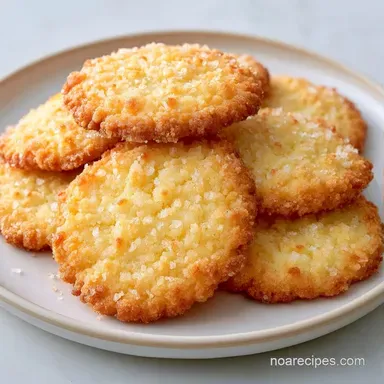
Iced Lemon Cookies with Citrus Glaze: Soft Buttery Base

- Prep15 Mins
- Cook10 Mins
- Servings25 cookies
- Time: 15 min active + 30 min chilling + 10 min baking + 5 min resting on the sheet + 30 min setting
- Texture: Soft, buttery base with a crisp, sugary shell
- Serve with: Fresh berries or a cold glass of milk
Iced Lemon Cookies with Citrus Glaze
You can smell these the second they hit the oven. They have that bright, punchy citrus scent that fills the whole house, and the result is a cookie that feels fancy but comes together with basic pantry staples.
The goal here is a soft, melt-in-your-mouth bite. By keeping the lemon juice in the glaze rather than the dough, we keep the cookie's structure stable so it doesn't turn into a cake.
These are a great option for when you want something joyful and homemade without spending all day in the kitchen. They're bright, sweet, and a bit tart.
Recipe Specs
For these cookies, timing and temperature are everything. You want the butter softened but not oily, and the dough cold before it hits the heat.
| Glaze Style | Application | Look | Best For |
|---|---|---|---|
| Spread | Offset spatula | Smooth, edge-to-edge | Clean look |
| Dipped | Direct dip | Thick, pooled center | Rustic feel |
The Building Blocks
A few essential ingredients are used in these cookies to offset the richness of the butter with bright lemon acidity.
| Component | Purpose | Substitute Notes |
|---|---|---|
| Unsalted Butter | Adds depth and helps the dough rise | Salted butter is fine; just skip the added salt |
| Lemon Zest | Concentrated citrus essence | A microplane is recommended for the finest texture |
| Baking Soda/Powder | Dual leavening for a tender crumb | Using both helps keep the crumb tender and light |
| Powdered Sugar | Ensures the glaze sets correctly | Granulated sugar won't dissolve for a smooth finish |
For the Dough
- 1/2 cup (115g) unsalted butter, softened Why this? Offers a lush, buttery foundation
- 3/4 cup (150g) granulated sugar
- 1 large egg, room temperature
- 1 tbsp (6g) lemon zest, freshly grated Why this? Zest delivers the most potent citrus taste
- 2 cups (250g) all-purpose flour
- 1/2 tsp (2g) baking soda
- 1/2 tsp (2g) baking powder
- 1/4 tsp (1g) salt
For the Citrus Glaze
- 1 cup (120g) powdered sugar, sifted
- 2 tbsp (30ml) fresh lemon juice
- 1/2 tsp (1g) lemon zest
- 1 tsp (5ml) milk Why this? Adjusts the consistency for a smoother spread
What You'll Use
No fancy equipment is necessary. A large bowl, a whisk, and a hand-held mixer or a stand mixer (like KitchenAid) will work perfectly.
You will also need two baking sheets and parchment paper. Using an offset spatula makes spreading the glaze simpler, but the back of a spoon is a great alternative.
From Prep to Plate
Phase 1: Creating the Base
Step 1: Preheat oven. Set your oven to 350°F (180°C) and prepare two baking sheets using silicone mats or parchment paper.
Step 2: Cream butter. In a large bowl, beat 1/2 cup (115g) softened unsalted butter and 3/4 cup (150g) granulated sugar for 3 minutes until pale and fluffy.
Step 3: Add aromatics. On medium speed, mix in 1 large egg and 1 tbsp (6g) lemon zest until smooth and fully incorporated.
Step 4: Whisk dry ingredients. In a separate bowl, combine 2 cups (250g) all-purpose flour, 1/2 tsp (2g) baking soda, 1/2 tsp (2g) baking powder, and 1/4 tsp (1g) salt.
Step 5: Combine. Gradually stir the dry ingredients into the butter mixture on low speed until no streaks of flour remain.

Phase 2: Chilling and Baking
Step 6: Chill dough. Cover the dough and keep it in the refrigerator for 30 minutes to prevent the cookies from spreading.
Step 7: Shape cookies. Scoop rounded tablespoons of dough (about 1 inch in diameter). Roll into balls and gently press each to 1/2 inch thickness with your palm or the bottom of a glass.
Step 8: Bake. Space the cookies 2 inches apart and bake for 8–10 minutes until edges are set and tops are barely golden.
Step 9: Cool. Leave the cookies on the hot baking sheet for 5 minutes, then transfer them to a wire rack to cool completely.

Phase 3: The Finishing Glaze
Step 10: Mix glaze. Whisk 1 cup (120g) powdered sugar, 2 tbsp (30ml) fresh lemon juice, and 1/2 tsp (1g) lemon zest until smooth. If the consistency is too thick, stir in 1 tsp (5ml) milk.
Step 11: Apply. Use an offset spatula to spread the glaze over the cooled cookies or dip the tops directly into the mixture.
Step 12: Set. Allow the citrus glaze to set for at least 30 minutes before stacking or serving.

Why the Steps Matter
The process here is all about controlling the fat and air.
- The 3-Minute Beat: Creaming the butter and sugar for a full three minutes traps air, which keeps the cookies from being heavy.
- Cold Dough: Chilling the dough firms up the butter, so it melts slower in the oven. This is why they stay thick.
Pro Tips & Pitfalls
Fixing Spread Cookies
If your cookies flattened out too much, the butter was likely too warm or you skipped the chill. For the next batch, put the scooped balls in the fridge for 10 minutes before baking.
Fixing Runny Glaze
A glaze that slides off usually has too much juice. Whisk in an extra tablespoon of powdered sugar to thicken it up. It should be thick enough to hold a peak when you lift the whisk.
Preventing Dry Cookies
Don't wait for the tops to brown deeply. Pull them out when the edges are just set. They continue to cook for a few minutes on the hot pan.
Storing Leftovers
Keep these in a sealed jar on the counter for up to 3 days. I like to put pieces of parchment paper between layers so the glaze doesn't stick to the cookie above it.
If you want to freeze them, freeze the unglazed rounds in a freezer bag for up to 3 months. Thaw them at room temperature and apply the glaze fresh.
Flavor Variations to Try
For a different twist, try a lime version by swapping the lemon juice and zest for lime. If you're in a rush, you might prefer a faster glazed version of this treat.
You can also add a tiny pinch of almond extract to the dough. It doesn't make them taste like almonds, but it deepens the lemon flavor.
What to Serve This With

These cookies pair wonderfully with Earl Grey tea, as the bergamot flavor enhances the citrus profile. To create a dessert platter, add some sliced strawberries or fresh raspberries for a touch of brightness and acidity.
Your Questions, Answered
Can I use bottled lemon juice for lemon glaze?
No, use fresh lemon juice. Bottled versions often have a metallic aftertaste and lack the bright acidity found in our lemon snowball cookies.
Why won't my glaze get thick enough, and how do I fix it?
Too much liquid was likely added. Whisk in a small amount of additional powdered sugar until the glaze reaches your preferred thickness.
How should I handle small or less juicy lemons?
Measure exactly 2 tablespoons of juice regardless of lemon size. Use as many lemons as needed to reach this volume so the glaze sets properly.
Will glaze melt or soak in if I put it on cookies that are still warm?
Yes, the glaze will thin out and absorb. Wait until the cookies have cooled completely on a wire rack before applying the citrus topping.
Does the glaze need time to set before stacking?
Allow at least 30 minutes for the glaze to harden. This prevents the icing from smudging or sticking to other cookies when stored.
What is the secret to keeping the cookies soft?
Bake for only 8–10 minutes. Remove them when the edges are set and tops are barely golden; they will firm up during the rest on the hot sheet.
Where should I store these cookies to keep them fresh?
Keep them in a sealed jar on the counter for up to 3 days. I recommend putting parchment paper between layers to prevent the glaze from sticking.
Is it necessary to chill the dough?
Yes, refrigerate the dough for 30 minutes before scooping. This chills the butter and ensures the cookies maintain their shape during baking.
25 Iced Lemon Cookies with Citrus Glaze