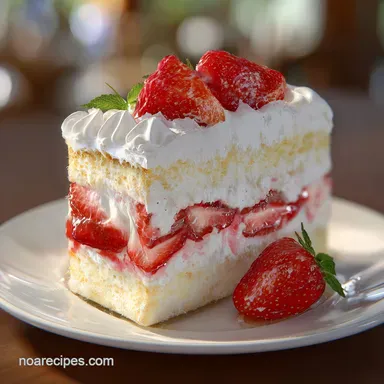
Japanese Strawberry Shortcake: Light and Airy
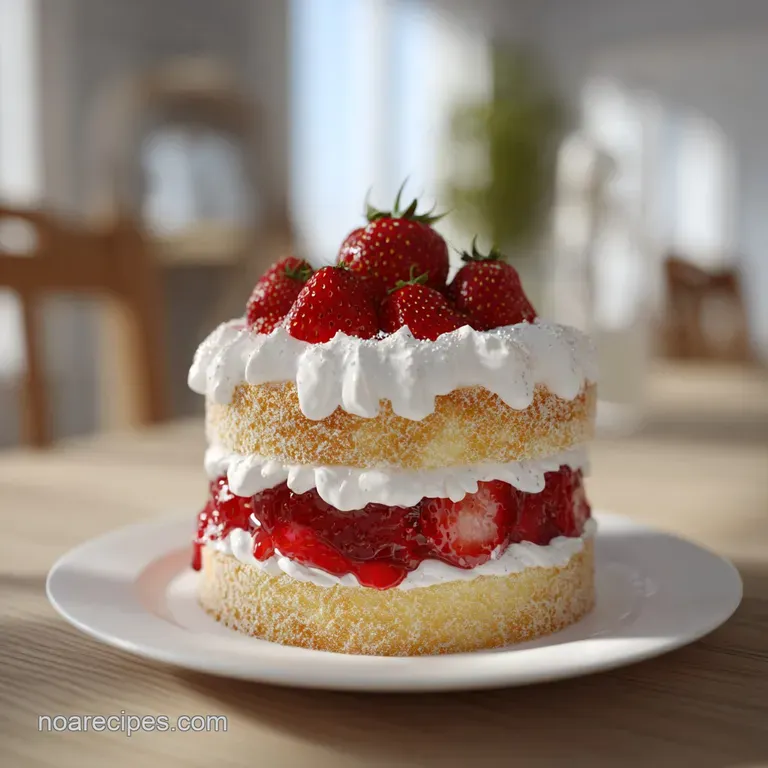
- Time: 45 min active + 2 hours chilling = Total 3 hours 15 mins
- Flavor/Texture Hook: Velvety cream and a sponge that practically melts
- Perfect for: Birthday surprises or a joyful weekend treat
- Japanese Strawberry Shortcake
- Why most recipes fail
- Essential recipe specs
- Component Analysis
- Gathering your kitchen tools
- Detailed step-by-step guide
- Avoiding common baking errors
- Troubleshooting Common Issues
- Creative flavor twists
- Adjusting the yield
- Debunking cake myths
- Storing and saving leftovers
- Great pairings for dessert
- Recipe FAQs
- 📝 Recipe Card
Japanese Strawberry Shortcake
Imagine the smell of fresh, cold vanilla cream and the bright, tart scent of sliced strawberries hitting your nose the second you open the fridge. There's something about the sight of that stark white frosting against the vibrant red berries that just feels clean and celebratory.
I remember the first time I tried this at a small bakery in Tokyo, and it was nothing like the heavy, biscuit based shortcakes I grew up with. This was like eating a sweet, fruity cloud.
When I first tried making a Japanese Strawberry Shortcake homemade, I completely ignored the "ribbon stage" for the eggs. I just mixed them until they were combined, and my cake came out as a dense, rubbery disc. It was a disaster. But once I learned how to actually whip air into those eggs, everything changed.
The texture went from "dense bread" to "angel food" almost overnight.
This recipe is all about the little things that make a big difference. We're talking about sifting flour three times and chilling your bowl before whipping cream. It takes a bit of patience, but the result is a cake that feels light enough to float away. Trust me on this, the effort is worth every single minute.
Why most recipes fail
The biggest hurdle with a Japanese Strawberry Shortcake recipe is usually the sponge. Most people treat it like a standard butter cake, but this is a foam cake. If you stir too hard, you knock out all the air you spent ten minutes whipping in, and you end up with a flat cake. The magic happens in the folding process, not the mixing process.
Another common slip up is the moisture level. Because the sponge is so airy, it can dry out quickly in the oven. Many recipes skip the simple syrup, but without it, the cake can feel a bit like a sponge in the literal sense - too dry.
The syrup creates a barrier that keeps the cake moist while acting as a glue for the cream.
Finally,, stability is key. If you don't chill the cake after assembly, the weight of the strawberries can cause the whole thing to slide. A proper two hour freeze in the fridge sets the fats in the cream, locking everything in place so you get a clean, sharp slice.
- Air Trapping
- Beating eggs and sugar to the ribbon stage creates millions of tiny bubbles that expand in the heat, giving the cake its lift.
- Protein Structure
- Using cake flour instead of all purpose reduces the gluten, ensuring the crumb is velvety and not chewy.
- Osmotic Balance
- The simple syrup hydrates the sponge and prevents the whipped cream from soaking into the cake and making it mushy.
- Fat Stabilization
- High fat heavy cream creates a stable foam that holds the weight of the berries without collapsing.
| Method | Time | Texture | Best For |
|---|---|---|---|
| Classic Oven | 30 mins | Airy & Springy | Traditional celebration cakes |
| Steamed | 40 mins | Moist & Dense | Super humid climates |
| Microwave | 5 mins | Spongy/Rubber | Emergency cravings |
Essential recipe specs
The heart of the cake is the "Genoise" style sponge. Unlike American cakes that rely on baking powder for lift, this Japanese Strawberry Shortcake recipe easy approach uses physical aeration. This means your whisk or stand mixer is your most important tool. If the eggs aren't beaten enough, the cake simply won't rise.
For the cream, you need a high fat content. I always suggest using heavy whipping cream with at least 36% fat. This ensures the peaks stay stiff. If you use a lower fat version, your cake might start to lean after an hour on the counter.
It's a small detail, but it's the difference between a professional look and a messy pile of cream.
The strawberries should be slightly tart. If they are too sweet, the cake becomes cloying. If they are too sour, they clash with the cream. I usually look for berries that are bright red all the way through, as white centers can sometimes be a bit bland.
Component Analysis
| Ingredient | Science Role | Pro Secret |
|---|---|---|
| Cake Flour | Low protein for tenderness | Sift it twice to add extra air |
| Eggs | Structure and aeration | Ensure they are room temp for maximum volume |
| Heavy Cream | Fat for stability and mouthfeel | Chill the mixing bowl in the freezer first |
| Simple Syrup | Moisture and flavor bridge | Add a squeeze of lemon to cut the sugar |
Gathering your kitchen tools
Here is everything you'll need to get this project moving. I've listed a few substitutes if you're missing something in the pantry.
For the Sponge:
- 6 large (300g) eggs Why this? Provides the structure and lift (Sub: No substitute for eggs in a foam cake)
- 3/4 cup (150g) granulated sugar Why this? Stabilizes the egg foam (Sub: Caster sugar for faster dissolving)
- 1 cup (125g) cake flour Why this? Lower protein for a softer crumb (Sub: 1 cup AP flour minus 2 tbsp, replace with 2 tbsp cornstarch)
- 3 tbsp (42g) unsalted butter Why this? Adds a rich, velvety finish (Sub: Melted coconut oil for a slight tropical twist)
- 1 tsp (5ml) vanilla extract Why this? Classic aromatic base (Sub: Almond extract for a nuttier profile)
- 1/4 tsp (1g) salt Why this? Balances the sweetness (Sub: Fine sea salt)
For the Syrup:
- 1/4 cup (60ml) water Why this? Base for the syrup (Sub: None)
- 1/4 cup (50g) granulated sugar Why this? Creates the sticky glaze (Sub: Honey for a deeper flavor)
- 1 tsp (5ml) lemon juice Why this? Prevents the syrup from being too sweet (Sub: Apple cider vinegar)
For the Topping & Filling:
- 2 cups (480ml) heavy whipping cream Why this? Essential for the fluffy frosting (Sub: Coconut cream, though stability is lower)
- 1/3 cup (65g) powdered sugar Why this? Dissolves instantly into the cream (Sub: Superfine sugar)
- 1 tsp (5ml) vanilla extract Why this? Ties the cream to the sponge (Sub: Vanilla bean paste for speckles)
- 1 lb (450g) fresh strawberries Why this? The star of the show (Sub: Raspberries or sliced peaches)
- 5 whole strawberries Why this? For that iconic garnish (Sub: Any pretty berry)
Detailed step-by-step guide
Let's get into it. I recommend prepping your strawberries and syrup first so they have time to cool while the cake bakes.
Phase 1: Baking the Cloud Sponge
- Line the bottom and sides of an 8 inch round cake pan with parchment paper. Preheat your oven to 325°F (160°C). Note: Parchment is non negotiable here so the cake doesn't stick.
- Beat eggs and granulated sugar on high speed using a stand mixer or hand mixer until the mixture is pale, thick, and reaches the ribbon stage (about 8-10 mins). Note: When you lift the whisk, the batter should fall in a thick ribbon that stays visible for 3 seconds.
- Sift in cake flour and salt. Using a rubber spatula, gently fold the flour into the eggs in three additions until no streaks remain. Note: Fold in a "J" motion to keep the air bubbles intact.
- Stir melted butter and vanilla extract into a small scoop of the batter, then fold that mixture back into the main batter. Note: This "tempering" prevents the heavy butter from sinking to the bottom.
- Pour batter into the pan and bake for 30 minutes until a toothpick inserted in the center comes out clean. Note: Don't open the oven door too early or the cake might sink.
- Allow the cake to cool completely on a wire rack, then slice horizontally into two or three even layers. Note: Use a serrated knife for a clean cut.
Phase 2: Prepping the Components
- Prepare simple syrup by heating water, sugar, and lemon juice in a small pot until the sugar is completely dissolved. Note: Let it cool to room temperature before using.
- Brush the syrup evenly onto the cake layers using a pastry brush. Note: Focus on the edges where the cake tends to dry out first.
- Whip chilled heavy whipping cream, powdered sugar, and vanilla extract on medium high speed until stiff peaks form. Note: Stop immediately once peaks hold their shape, or you'll end up with butter.
Phase 3: Assembly and Finishing
- Assemble by layering cake, a layer of whipped cream, and sliced strawberries. Repeat for remaining layers. Note: Press down lightly to ensure the cake is stable.
- Frost the top and sides of the cake with the remaining cream and garnish with whole strawberries. Note: Use an offset spatula for a smooth, velvety finish.
- Refrigerate the cake for 2 hours until the cream feels firm to the touch. Note: This is the most important step for a clean slice.
Chef's Tip: To get a perfectly flat top on your cake, use a cake leveler or a long serrated knife. If you have a "dome" on top, the cake will wobble during assembly.
Avoiding common baking errors
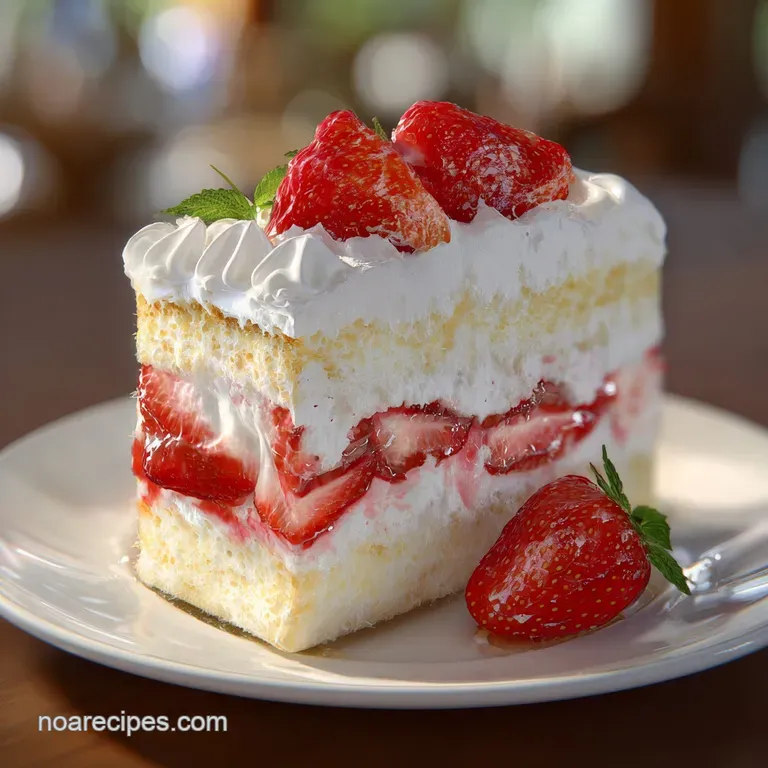
If your Japanese Strawberry Shortcake doesn't look like a bakery window display on the first try, don't sweat it. Most issues come down to temperature and aeration. For example, if your eggs were cold, they won't hold as much air, which leads to a denser cake. According to King Arthur Baking, the protein structure in cake flour is key to that tender crumb, so don't try to swap it for bread flour.
Troubleshooting Common Issues
| Issue | Solution |
|---|---|
| Why your cake collapses | This usually happens because the egg foam was unstable or you over mixed the flour. If you stir too vigorously, the air bubbles pop, and there's nothing left to hold the cake up during the cooling pro |
| Why fruit leaks | Strawberries release water once they hit the sugar in the cream. If you slice them too early or don't dry them after washing, you'll get red streaks in your white frosting. |
| Why cream grains | Over whipping is the culprit here. The fat globules clump together, turning your smooth cream into something resembling cottage cheese. If this happens, fold in a tablespoon of liquid cream to smooth |
Common Mistakes Checklist
- ✓ Did you sift the flour? (Lumps are the enemy here)
- ✓ Did the eggs reach the ribbon stage? (Don't stop too early!)
- ✓ Is the butter melted but not boiling? (Too hot will cook the eggs)
- ✓ Did you chill the cake for 2 hours? (Essential for stability)
- ✓ Are the berries patted dry? (Prevents bleeding)
Creative flavor twists
While the classic Japanese Strawberry Shortcake is a dream, you can easily pivot this for different seasons. If you're in the mood for something a bit more tropical, try swapping the strawberries for fresh mangoes. If you love other Asian inspired treats, this pairs beautifully with a side of Mango Sticky Rice for a fruit heavy dessert spread.
If you want to make Japanese strawberry shortcake cupcakes, simply divide the batter into lined cupcake tins. Bake them for about 15-18 minutes instead of 30. Once cool, core the center of the cupcake, drop in a small piece of strawberry, and pipe the cream on top.
It's a great way to serve this at a party without needing to slice a whole cake.
For those who want a "sandwich" version, take two thick slices of the cooled sponge, add a generous layer of cream and sliced berries, and press them together. It's essentially a dessert version of the Creamy Japanese Egg Sandwich recipe, offering that same soft, pillowy experience.
Decision Shortcut
- If you want a richer taste, add 1 tbsp of mascarpone to the whipped cream.
- If you want a zestier vibe, add lemon zest to the cake batter.
- If you want a more stable cake, add 1/2 tsp of cream of tartar to the egg whites.
Adjusting the yield
If you're just baking for two, you don't need a massive 8 inch cake. You can scale this Japanese Strawberry Shortcake recipe down to a 6 inch pan. Use 3 eggs instead of 6 and halve the sugar and flour. Reduce the bake time by about 20%, checking at 20 minutes.
Since you're using fewer eggs, be extra careful with the folding to ensure you don't lose that precious air.
When scaling up for a big party, I recommend making two separate cakes rather than one giant one. Oven heat doesn't always penetrate the center of a massive pan evenly, which can lead to a raw middle and burnt edges.
If you must double the recipe in one pan, lower the oven temperature by 25°F (approx 10°C) and extend the bake time by 10-15 minutes to ensure the center sets.
For the cream and strawberries, you can safely 2x or 3x the quantities without any changes to the method. Just make sure your mixing bowl is large enough, as whipping cream expands significantly.
Debunking cake myths
One big myth is that adding extra baking powder will make the cake fluffier. In a Japanese Strawberry Shortcake, the lift comes from the air in the eggs. Adding too much chemical leavener can actually cause the cake to rise too fast and then collapse, leaving you with a crater in the middle.
Stick to the foam method for that authentic texture.
Another common misconception is that you should "grease" the pan with butter. For a sponge cake, you actually want the batter to "climb" the walls of the pan. If the sides are too slippery, the cake can't grip the edges and won't rise as high.
This is why using parchment paper on the sides is a must - it provides a textured surface for the batter to cling to.
Storing and saving leftovers
This cake is best enjoyed the day it's made, but it can stay fresh in the fridge for up to 3 days. Keep it in an airtight cake carrier or a large container to prevent the sponge from absorbing "fridge smells." When you're ready to eat, let it sit at room temperature for about 15 minutes to let the fats in the cream soften slightly for a better mouthfeel.
I don't recommend freezing the fully assembled cake because the whipped cream can separate and become grainy. However, you can freeze the baked sponge layers! Wrap them tightly in plastic wrap and then foil. When you're ready, thaw them in the fridge and then proceed with the syrup and frosting.
To avoid waste, use the strawberry tops and stems to make a quick fruit syrup or toss them into a smoothie. If you have leftover whipped cream, it's fantastic as a topping for fresh berries or a slice of toasted brioche.
Great pairings for dessert
Since this cake is so light and creamy, it pairs well with drinks that have a bit of bitterness to cut through the sweetness. A hot cup of Matcha green tea is the traditional choice and works perfectly. The earthy notes of the tea balance the sugary cream and tart berries.
If you're serving this as part of a larger spread, keep the other options distinct. A tart lemon tart or a slice of dark chocolate cake provides a nice contrast to the delicate nature of the Japanese Strawberry Shortcake. Just make sure to serve them at different temperatures to keep the palate interested.
For a little something extra on the side, a bowl of fresh raspberries or a light fruit salad keeps the theme going without overwhelming the main event. This cake is the star, so let it shine by keeping the accompaniments simple and refreshing.
Recipe FAQs
What is a Japanese strawberry shortcake?
A light, airy sponge cake layered with fresh strawberries and whipped cream. It focuses on a cloud like texture and subtle sweetness compared to denser Western cakes.
What is the difference between Japanese strawberry shortcake and regular strawberry shortcake?
The sponge texture and frosting. While regular shortcake often uses a biscuit or dense cake, the Japanese version uses a soft sponge and light whipped cream instead of heavy buttercream.
What’s the difference between Japanese Christmas cake and regular strawberry shortcake?
There is no difference in the recipe. The Christmas cake is simply a Japanese strawberry shortcake served as a traditional holiday dessert.
How long does this cake last?
Up to 3 days in the refrigerator. Keep it in an airtight cake carrier to prevent the sponge from absorbing fridge smells.
Is it true I can use all-purpose flour instead of cake flour for this recipe?
No, this is a common misconception. Cake flour is necessary for the tender, light crumb; all-purpose flour will result in a cake that is too dense.
How do I stabilise whipped cream without gelatin?
Whip chilled heavy whipping cream with powdered sugar and vanilla until stiff peaks form. The powdered sugar helps provide structural stability without needing additives.
Why did my cake collapse?
Unstable egg foam or over mixing the flour. Stirring too vigorously pops the air bubbles, leaving the cake without the support needed to hold its height during cooling.
Japanese Strawberry Shortcake