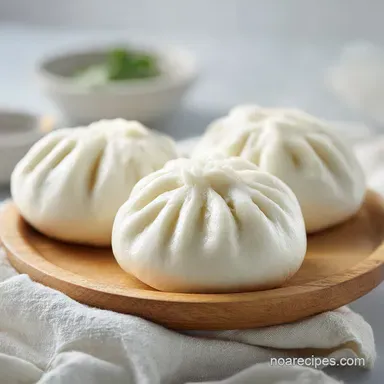
Steamed Bao Buns: Soft and Fluffy
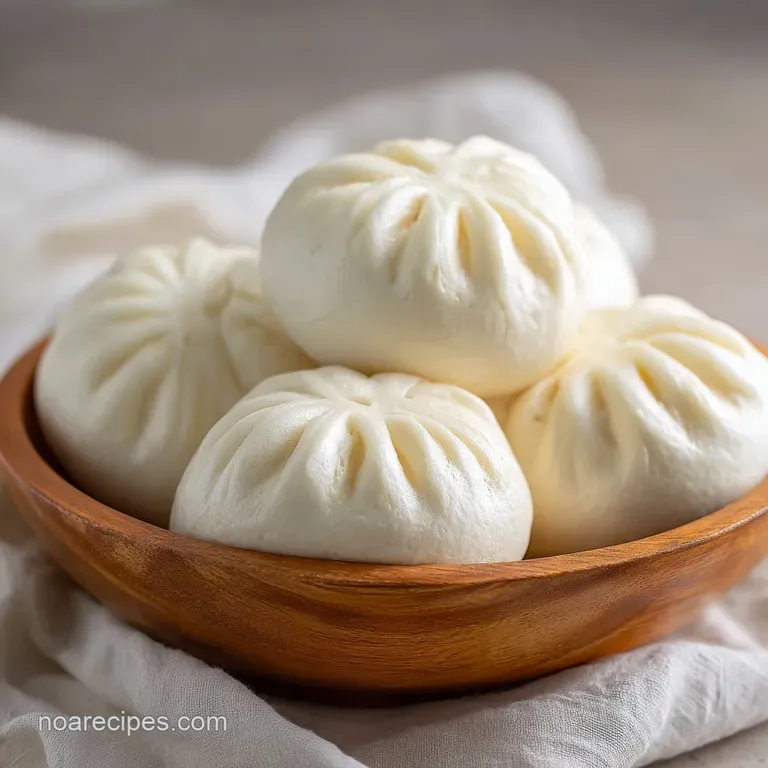
- Time: 40 min active + 1 hour rising = Total 2 hours 22 mins
- Flavor/Texture Hook: Velvety, cloud like dough with a savory, juicy center
- Perfect for: Weekend brunch or a cozy dinner party with friends
Sssssss. That's the sound of the steam escaping the second you lift the bamboo lid. It's like opening a treasure chest of fluffy, white clouds. I remember the first time I made these for a small group of friends on a rainy Saturday.
We wanted something comforting and a bit different, and seeing those plump little buns emerge from the mist was the highlight of the night.
Right then, let's be honest: many people are terrified of yeast. They think it's a finicky science project that will just result in a dense brick of dough. But trust me on this, once you get the rhythm down, it's actually quite relaxing. The magic is in the patience and a few small tricks I've picked up along the way.
We're making a version of Steamed Bao Buns that doesn't require a trip to a specialty Asian grocery store. I've found that with the right technique, basic pantry staples can create a texture that's silky and light.
Whether you're filling them with savory pork or something sweet, this dough is the reliable foundation you need.
Homemade Steamed Bao Buns
The Secret to Cloud Dough
If you've ever wondered why some buns are stark white and airy while others are yellow and heavy, it usually comes down to the interaction of leavening agents. Here is what's actually happening in the bowl:
- Yeast Activation: The warm water and sugar wake up the yeast, creating carbon dioxide bubbles that stretch the gluten.
- Baking Powder Insurance: While yeast does the heavy lifting, the baking powder provides an extra "kick" of lift during the actual steaming process.
- Gluten Relaxation: Letting the dough rise allows the protein strands to relax, which prevents the buns from snapping back and shrinking.
- Steam Saturation: The moist heat prevents a crust from forming, keeping the exterior velvety rather than crispy.
| Method | Time | Texture | Best For |
|---|---|---|---|
| Fast (Frozen) | 10 mins | Slightly Chewy | Quick Snacks |
| Classic (Scratch) | 2 hours 22 mins | Velvety Soft | Dinner Parties |
The classic scratch method takes more time, but the result is a completely different experience. When you make them from scratch, you control the hydration, which is what gives them that signature "bounce" when you poke them.
Component Analysis
Understanding your ingredients helps you troubleshoot on the fly. You don't need to be a chemist, but knowing why we use these specific items makes a huge difference in the final result.
| Ingredient | Science Role | Pro Secret |
|---|---|---|
| All Purpose Flour | Structure | Sift it twice to incorporate more air |
| Instant Yeast | Primary Lift | Ensure water isn't over 110°F or you'll kill it |
| Baking Powder | Secondary Lift | Use "aluminum free" to avoid a metallic aftertaste |
| Vegetable Oil | Tenderness | Keeps the dough supple and prevents sticking |
I once tried making these without the oil, thinking I'd save a few calories. The result? The dough was tougher and harder to shape. That tiny bit of fat acts as a lubricant for the gluten strands, ensuring a softer bite.
The Gear You Need
You don't need a professional kitchen to pull this off, but a few tools make it way easier. A bamboo steamer is the gold standard because it absorbs excess moisture, preventing water droplets from falling onto your buns and leaving "freckles."
If you don't have one, a metal steamer basket works too, just wrap the lid in a kitchen towel to catch the condensation. I also highly recommend a digital scale. While I provide cup measurements, weighing your flour is the only way to ensure you don't accidentally pack too much into the cup, which leads to dry buns.
Simple Steps to Success
Let's crack on. Keep your workspace clean and don't rush the kneading process - it's the most important part for that smooth finish.
For the Dough
- Combine warm water, sugar, and instant yeast in a bowl; let it bloom for 5 minutes. Note: You should see a foamy layer on top.
- Gradually stir in the all purpose flour, baking powder, and salt.
- Knead the dough for 8-10 minutes by hand or 5 minutes with a mixer until the surface is smooth and elastic.
- Place the dough in a lightly oiled bowl, cover with a damp cloth, and let rise in a warm spot for 1 hour until doubled in size.
For the Filling
- Mix the pork shoulder with soy sauce, brown sugar, and minced ginger. Note: Pork shoulder is more budget friendly than loin and stays much juicier.
- Sauté the mixture in a pan over medium heat until browned and fragrant.
The Final Assembly
- Punch down the dough and divide into 14-16 equal pieces.
- Roll each piece into an oval, fold in half, and press the crease slightly to create a taco shape.
- Place each bun on a 4x4 inch parchment paper square and arrange in a steamer with 2 inches of space between them.
- Steam over boiling water for 10-12 minutes until plump and springy.
- Turn off heat and wait 5 minutes with the lid on before opening to prevent shrinking.
Chef's Tip: To get that professional "white" look, you can add a teaspoon of white vinegar to the steaming water. It helps bleach the flour slightly as it steams.
Avoiding Common Bao Blunders
Making Steamed Bao Buns can be intimidating, but most mistakes are easy to fix. The biggest culprit is usually temperature. If your water is too hot, the yeast dies; if it's too cold, the dough won't rise.
Troubleshooting Common Issues
| Issue | Solution |
|---|---|
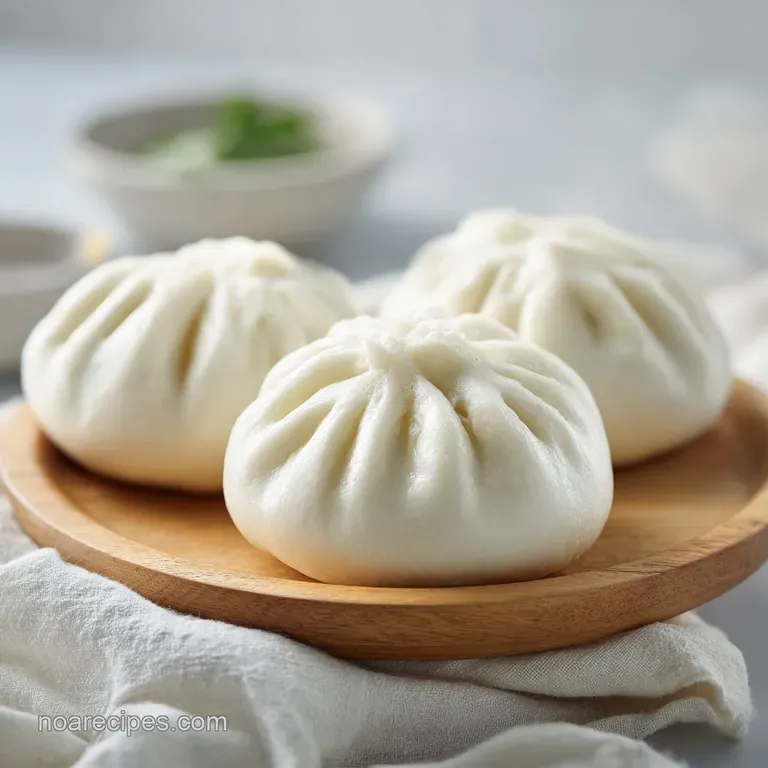
| Why Your Buns Shrank | This usually happens because of a "temperature shock." If you rip the lid off the steamer the moment the timer goes off, the cold air hits the hot buns and causes the steam inside them to collapse ins |
| Why the Texture is Bready | If your buns feel like dinner rolls rather than clouds, you likely over kneaded the dough or used a flour with too much protein. According to King Arthur Baking, th |
| Why They Are Yellow | This is often due to the type of flour. All purpose flour has a natural cream color. If you want that stark white look, you can use a low protein flour, but for a budget friendly version, a tiny bit o |
Common Mistakes Checklist
- ✓ Never open the lid during the 12 minute steam
- ✓ Ensure the water is simmering, not a violent boil
- ✓ Don't crowd the buns; they need room to expand
- ✓ Always use parchment squares to prevent sticking
- ✓ Check that your yeast is fresh before starting
Fun Flavor Twist Ideas
While the pork filling is a classic, the beauty of this recipe is its versatility. You can go in a completely different direction depending on what's in your fridge.
If you're feeling adventurous, try a "Golden Pumpkin Bao" by replacing a quarter of the flour with pumpkin puree. It adds a lovely hue and a subtle sweetness. For something more earthy, a bit of matcha powder in the dough creates a stunning green bun that looks incredible on a platter.
For those avoiding meat, a sautéed mushroom and tofu crumble with a splash of hoisin sauce works brilliantly. If you want a side that's just as punchy, my salt and pepper chicken is the way to go. It provides a crispy contrast to the soft buns.
Adjusting Your Batch Size
If you're just cooking for yourself, you can easily scale this down. For a half batch, use 1.5 cups of flour and 1/2 cup of water. Since you're working with less mass, the dough might rise slightly faster, so keep an eye on it around the 45 minute mark.
When scaling up for a party, I recommend working in batches. Don't try to knead 10 cups of flour by hand unless you want a full body workout. Also, remember that the steaming time remains the same, but you'll need to ensure your pot of water is large enough to sustain the steam for multiple rounds without boiling dry.
Debunking Kitchen Myths
There's a lot of misinformation about Asian steamed breads. Let's clear a few things up.
Myth: You must use "Bao Flour" for success. Truth: While specialized low protein flour is traditional, standard all purpose flour works perfectly well for home cooks. The addition of baking powder and a bit of oil mimics the softness of specialty flours.
Myth: The dough should be sticky. Truth: Sticky dough is a nightmare to shape and often leads to collapsed buns. Your dough should be tacky but not stick to your fingers. If it's sticking, add flour one tablespoon at a time.
Freshness and Leftover Tips
Fresh is always best, but you don't have to eat all 15 buns at once. To store them, let them cool completely and place them in an airtight container. They'll stay soft in the fridge for about 3 days.
For long term storage, the freezer is your best friend. Flash freeze the buns on a tray for an hour before transferring them to a freezer bag. They'll keep for up to 2 months. To reheat, just steam them again for 3-5 minutes. Avoid the microwave if you can, as it can make the dough rubbery.
As for zero waste, if you have leftover pork filling, it's fantastic tossed into a quick stir fry or used as a topping for a bowl of rice. Don't throw away the leftover dough scraps either; roll them into small balls and steam them as "plain" buns to serve with condensed milk for a sweet treat.
Great Dishes to Pair
These buns are the star of the show, but they love some company. Since the buns are soft and the filling is rich, you want sides that offer acidity or crunch. A quick pickled cucumber salad with rice vinegar and sesame seeds is the perfect palate cleanser.
If you're aiming for a full dim sum experience, these go great with some beef soup dumplings for a complete spread. The contrast between the open faced bao and the enclosed soup dumplings makes for a great visual presentation.
Right then, you're all set. Just remember: trust the process, don't peek under the lid, and enjoy that first, velvety bite of your homemade Steamed Bao Buns. Happy cooking!
Recipe FAQs
What is the difference between steam buns and bao buns?
There is no functional difference. Both terms refer to leavened dough that is steamed rather than baked to create a soft, pillowy texture.
What is the bao bun made of?
A simple mixture of pantry staples. The dough consists of all-purpose flour, warm water, sugar, instant yeast, baking powder, vegetable oil, and salt.
How long do you steam bao buns for?
Steam for 10 12 minutes. Ensure the water is boiling before adding the buns and keep the lid tightly sealed to maintain consistent heat.
Are steamed bao buns healthy?
They are a moderate choice. While steaming avoids the added fats found in frying, the buns are primarily made from refined all-purpose flour and sugar.
Why did my buns shrink as soon as I opened the steamer?
This is caused by temperature shock. To prevent the steam inside from collapsing, turn off the heat and wait 5 minutes with the lid on before opening.
How to prevent the buns from feeling too bready?
Knead the dough until smooth but avoid over working it. Knead by hand for 8 10 minutes or use a mixer for 5 minutes to achieve elasticity without making them dense.
What should I serve with steamed bao buns?
Pair them with savory stir fries. These soft buns complement the saltiness of a crisp bok choy stir fry perfectly.
Homemade Steamed Bao Buns