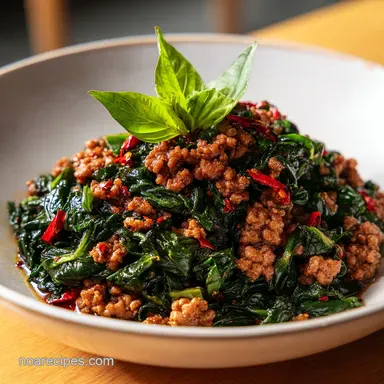
Thai Basil Chicken: Authentic Pad Krapow Gai
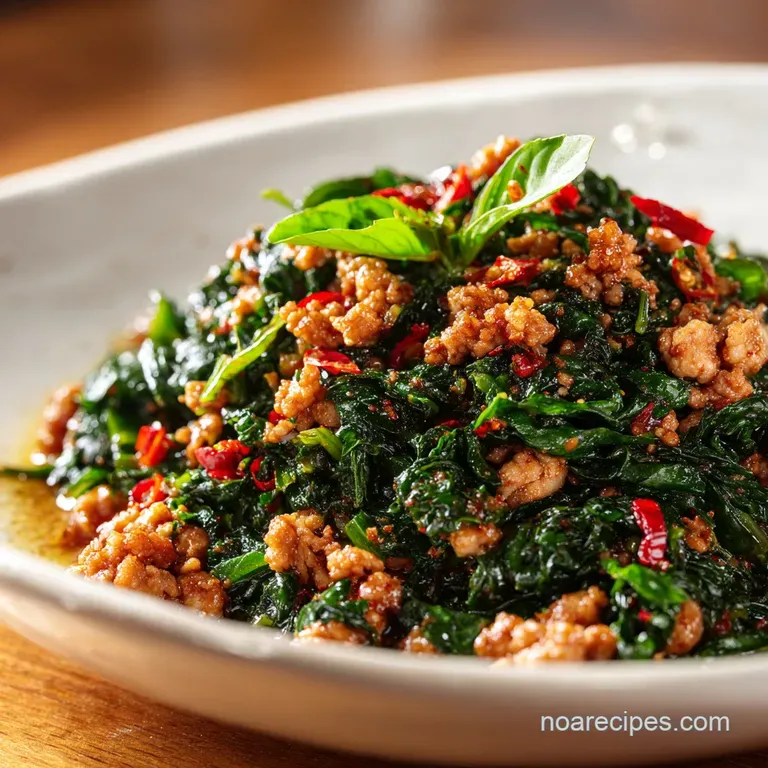
- Time: 10 min prep + 5 min cook = Total 15 minutes
- Flavor/Texture Hook: Charred, mahogany chicken with a velvety, glossy glaze
- Perfect for: Stress free weeknight dinners or a quick high protein lunch
Authentic Thai Basil Chicken
That first sizzle is everything. You know the one, where the garlic and chilies hit the shimmering oil and the whole kitchen suddenly smells like a street market in Bangkok. It's that sharp, spicy aroma that tells you dinner is actually going to be good tonight.
I'll be honest, the first few times I tried making this, I messed up. I'd throw everything in the pan at once, and instead of a sear, I'd get this sad, grey, watery mess. It wasn't a stir fry; it was more like a chicken soup with basil.
I spent a while figuring out that the secret isn't the ingredients, but the heat and the timing.
This Thai Basil Chicken recipe is the result of those mistakes. We're focusing on high heat and a specific order of operations to make sure the meat stays charred and the basil stays bright. It's a stress free way to get those bold, authentic flavors without needing professional equipment.
Hidden Secrets for Better Meat
The biggest mistake people make with Thai Basil Chicken is overcrowding the pan. When you add too much meat or too much sauce too early, the temperature drops. Instead of searing, the chicken releases its juices and steams. To avoid this, we let the meat sit undisturbed for a couple of minutes.
This creates a crust that locks in the flavor and adds a nutty, toasted quality.
Another thing is the "wilting window." If you cook the basil for too long, it turns black and loses that peppery punch. The trick is to kill the heat entirely before adding the leaves. The residual heat of the pan is plenty to wilt them without destroying the flavor.
Why the Heat MattersHigh Temp Searing: Rapid heating browns the protein surface quickly, creating deep flavor without overcooking the inside. Residual Wilting: Turning off the burner prevents the volatile oils in the basil from evaporating, keeping the scent fresh.
| Method | Time | Texture | Best For |
|---|---|---|---|
| Fast (Ground) | 15 mins | Crumbly & Charred | Weeknights |
| Classic (Sliced Thigh) | 30 mins | Tender & Juicy | Special Meals |
Component Analysis
Understanding what each ingredient does helps you tweak the recipe if you're missing something. For example, the fish sauce isn't just for salt, it's for that deep, funky umami that makes the dish taste "real." According to Serious Eats, the combination of fish sauce and sugar creates a complex balance of salty and sweet that defines Southeast Asian cuisine.
| Ingredient | Science Role | Pro Secret |
|---|---|---|
| Coconut Sugar | Caramelization | Use a pinch more for a stickier glaze |
| Fish Sauce | Umami Base | Warm it slightly to mellow the scent |
| Holy Basil | Aromatic Punch | Don't chop it; tear the leaves by hand |
| Thai Chilies | Heat Spike | Mince seeds for more fire, remove for mild |
Essential Kitchen Tools
You don't need a professional kitchen to nail this. A heavy bottomed skillet works just as well as a wok. The goal is a pan that holds heat well, so it doesn't cool down the second the chicken hits the surface. I usually use a carbon steel pan, but a cast iron or a stainless steel skillet is great too.
I also recommend a small bowl for pre mixing your sauce. Stir frying happens so fast that if you're measuring out soy sauce while the garlic is frying, you'll end up with burnt garlic. Get your "mise en place" ready - everything chopped and mixed - before you even turn on the stove.
Step by step Guide
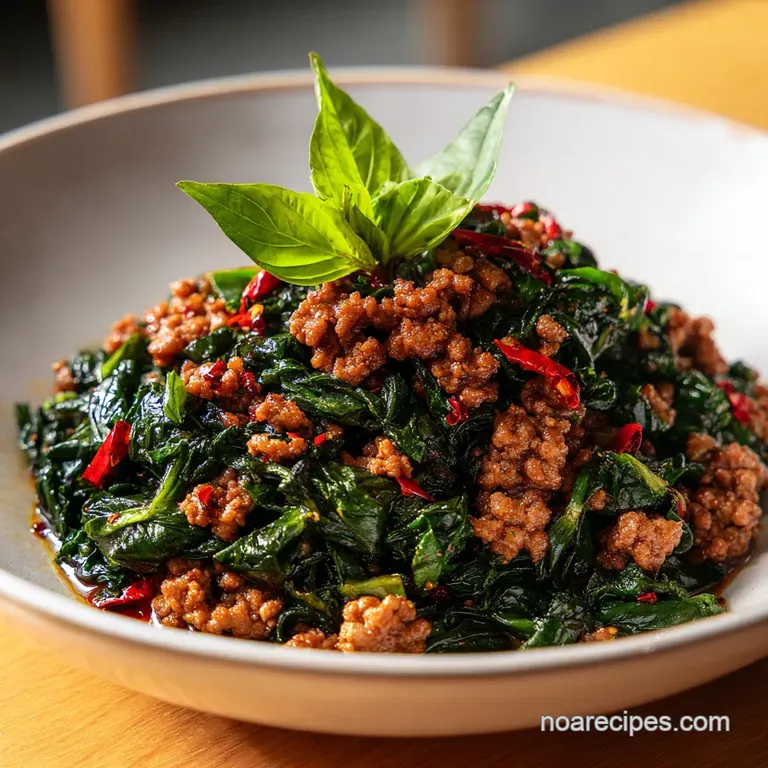
Right then, let's crack on. Make sure your pan is hot before you start.
- Whisk the oyster sauce, soy sauce, fish sauce, coconut sugar, and water in a small bowl. Note: Mixing the sugar in now ensures it dissolves instantly in the pan.
- Mince the garlic and Thai bird's eye chilies together into a rough paste.
- Heat the neutral oil in your skillet until it's shimmering and almost smoking.
- Add the garlic, chilies, and shallots, stirring for 30 seconds until they smell fragrant but aren't brown.
- Crank the heat to maximum and add the ground chicken.
- Spread the chicken in a thin layer and leave it undisturbed for 2 minutes until the bottom is mahogany brown and crispy.
- Break up the chicken with your spatula and stir fry for another 2 minutes until fully cooked.
- Pour in the prepared sauce and stir fry rapidly for 60 seconds until the sauce becomes a glossy glaze.
- Turn off the heat immediately and fold in the fresh basil leaves until just wilted.
- Squeeze fresh lime wedges over the top just before serving.
Precision Checkpoints
- Oil Temp: Shimmering/Smoking point (roughly 375°F/190°C).
- The Sear: 2 minutes of zero movement for the chicken.
- The Finish: 60 seconds of rapid stirring for the sauce.
Fixing Common Mistakes
If your Thai Basil Chicken comes out too watery, it's almost always because the pan wasn't hot enough or there was too much meat in the pan. When the meat crowds the space, it releases moisture that can't evaporate, turning your stir fry into a stew. If you're doubling the recipe, cook the meat in two separate batches.
Another common issue is the garlic burning. Garlic has a lower burn point than the chicken needs for a sear. That's why we fry the aromatics for only 30 seconds before adding the meat, which brings the temperature down just enough to protect the garlic while we build the crust.
Why Your Sauce is Watery
This happens when the liquid doesn't reduce fast enough. It's usually due to low heat or overloading the pan.
| Problem | Root Cause | Solution |
|---|---|---|
| Watery Sauce | Overcrowded pan | Cook meat in batches |
| Burnt Garlic | Heat too high at start | Add meat immediately after 30s |
| Bitter Basil | Overcooked leaves | Add basil AFTER turning off heat |
Common Mistakes Checklist
- ✓ Did you pre mix the sauce? (Don't add ingredients one by one)
- ✓ Is the pan shimmering? (Don't add oil to a cold pan)
- ✓ Did you leave the meat alone for 2 mins? (Don't stir too early)
- ✓ Is the heat off before adding basil? (Don't boil the leaves)
Customizing the Flavors
Depending on what you have in the pantry, you can shift this recipe around. If you want a heartier texture, you can swap the ground chicken for finely diced chicken thighs. Thighs have more fat, which means more flavor and a better sear, though it takes an extra minute or two to cook through.
If you're looking for a plant based twist, crumbled extra firm tofu or finely chopped mushrooms work brilliantly here. Just keep in mind that mushrooms release a lot of water, so you'll need to sear them even longer to get that mahogany color. For another high protein option, you might like my Beef pan fried Noodles, which uses a similar over high heat technique.
Substitution Table
| Original Ingredient | Substitute | Why It Works |
|---|---|---|
| Coconut Sugar (1 tsp) | Brown Sugar (1 tsp) | Similar molasses notes. Note: Slightly less earthy than coconut sugar |
| Oyster Sauce (1 tbsp) | Mushroom Sauce (1 tbsp) | Similar salty/savory profile. Note: Best for vegetarian versions |
| Ground Chicken (1 lb) | Diced Thighs (1 lb) | Higher fat content. Note: More juicy but requires longer cook time |
| Thai Holy Basil (1 cup) | Thai Basil or Italian Basil | Similar aromatics. Note: Italian basil is sweeter and less peppery |
Decision Shortcut
- If you want it spicier → Add 2 extra minced bird's eye chilies.
- If you want a thicker glaze → Reduce the water by half a tablespoon.
- If you want a milder heat → Remove the seeds from the chilies.
Storage and Waste Tips
This dish stays great in the fridge for about 3 days. Store it in an airtight container and keep the lime wedges separate so the acid doesn't break down the sauce over time. When you're ready to eat, reheat it in a pan over medium heat with a splash of water to loosen the glaze.
Avoid the microwave if you can, as it tends to make the chicken rubbery.
For the freezer, this lasts about 1 month. I recommend freezing the chicken and sauce together, but leave the fresh basil out. Add fresh basil after reheating for that pop of color and scent.
To keep things zero waste, don't throw away your basil stems. They're packed with flavor. Toss them into your next vegetable stock or simmer them with some garlic and oil to make a quick basil infused oil for dipping bread. You can also use the leftover lime hulls to zest into a salad or a cocktail.
Best Side Pairings
The best way to eat Thai Basil Chicken is over a bed of steaming jasmine rice. The neutral, floral scent of the rice balances the salty and spicy notes of the stir fry. For a truly authentic experience, fry an egg in the same pan you used for the chicken, leaving the edges crispy and the yolk runny.
When the yolk breaks and mixes with the sauce, it's a total game changer.
If you're hosting a small get together, these flavors pair perfectly with Steamed Bao Buns as a fun, handheld alternative to rice.
The Traditional Pair A crispy edged fried egg and fluffy jasmine rice. The yolk acts as a rich sauce that cuts through the heat of the chilies.
The Fresh Balance A simple sliced cucumber salad with rice vinegar and a pinch of sugar. The coolness of the cucumber resets your palate between spicy bites.
Right then, you're all set. This Thai Basil Chicken is all about confidence and heat. Don't be afraid to let that meat brown, and trust the process of adding the basil at the very end. Happy cooking!
Recipe FAQs
What is in Thai Basil Chicken?
Ground chicken, Thai holy basil, and a savory sweet sauce. The sauce consists of oyster sauce, soy sauce, fish sauce, coconut sugar, and water, sautéed with garlic, shallots, and bird's eye chilies.
What does Thai basil taste like?
Anise like and peppery. It is more pungent and spicy than Italian basil, which allows it to stand up to the intense heat of the chilies.
What does pad krapow actually mean?
Stir fried holy basil. "Pad" translates to stir fry, while "Krapow" refers specifically to the holy basil used as the primary aromatic.
What does Thai basil go well with?
Strong, salty, and spicy flavors. It pairs perfectly with fish sauce and garlic. If you enjoy these bold aromatics, you might also like the flavor balance in our chicken chow mein.
How to get the chicken mahogany brown and crispy?
Spread the meat in a thin layer and leave it undisturbed for 2 minutes. Using maximum heat in a shimmering hot pan ensures the chicken sears and caramelizes before you break it up.
Is it true I can use Italian basil as a 1:1 substitute for Thai holy basil?
No, this is a common misconception. Italian basil is too sweet and lacks the clove like, peppery punch that defines the authentic taste of this dish.
How to reheat leftovers without making the chicken rubbery?
Reheat in a pan over medium heat with a splash of water. This loosens the glaze and warms the meat gently, which is much more effective than using a microwave.
Thai Basil Chicken